A Performance Marketer's Guide to TikTok Spark Ads

Learn how TikTok Spark Ads turn creator posts into paid ads that convert. See the data, how they beat In-Feed Ads, and how to set them up.
Audiences have gotten remarkably good at scrolling past anything that looks like an ad, and nowhere is that reflex faster than on TikTok. That’s why the TikTok algorithm rewards content that feels native to the platform, made by a real creator, for real audiences.
So, what happens when you put paid spend behind that kind of content instead of a polished brand ad?
Studies show that creator-led ads get 4x higher click-through rates and a 50% drop in cost-per-click than average. Not to mention, leveraging influencer content in ads extends the life of content you have already paid to create.
In the past, running that content meant downloading a creator's video, stripping it of its original engagement, and re-uploading it as a fresh ad under your brand handle. You lost the likes, the comments, the shares, and a lot of the credibility that made the content work in the first place. TikTok built a better way.
Enter: TikTok Spark Ads.
What are TikTok Spark Ads?
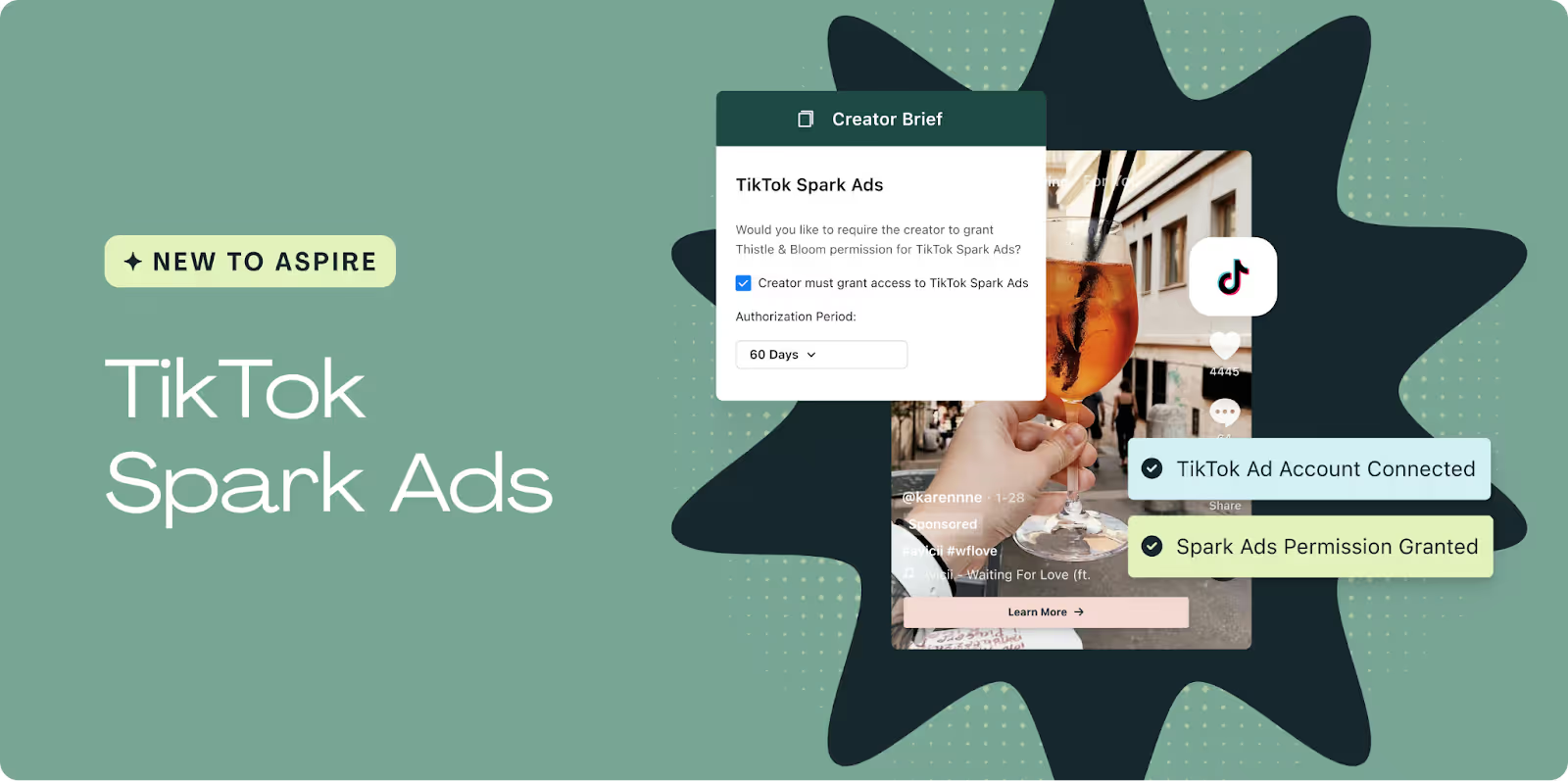
Spark Ads are a native ad format that lets you promote existing organic TikTok posts, either from your own account or from a creator's account with their authorization.
Instead of building a separate ad creative, you put paid distribution behind a post that already exists, and everything about the original stays intact: the creator's username and profile picture, the caption, the sound, and all the likes, comments, and shares it has already earned. The ad runs from the original account, so it looks and behaves like a real post rather than an interruption. That’s why Spark Ads deliver a 134% higher completion rate and a 157% higher 6-second view-through rate when compared to standard In-Feed Ads on TikTok.
Plus, engagement from the paid campaign flows back to the original organic post, so every view, follow, and comment you drive with ad spend also strengthens the post's organic footprint.
How are Spark Ads different from standard In-Feed Ads?
Standard In-Feed Ads are built as standalone creatives. They run from your brand account, they don't carry a creator's identity or existing engagement, and audiences tend to clock them as ads quickly (which is exactly what drives the scroll reflex).
Spark Ads remove that barrier by keeping the content in its native context. This is also where creator authorization comes in.
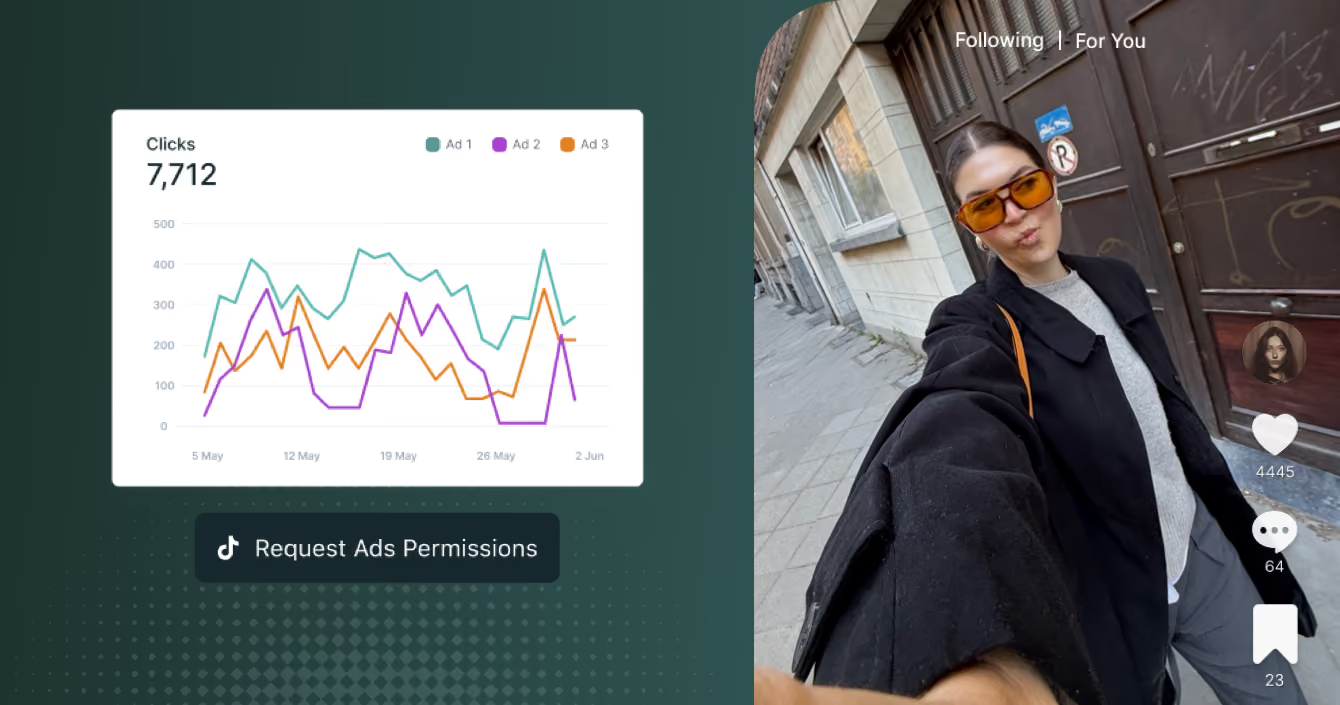
To boost a creator's post, the creator generates a Spark code that grants your brand permission to run their post as an ad for a set window of time. In other words, your brand isn’t recreating their content. Instead, you’re amplifying the exact post their audience already responded to, with their permission and their name still on it.
Compared to standard In-Feed Ads, Spark Ads offer:
- Authenticity: The ad keeps the creator's handle and native look, which removes the skepticism that causes users to scroll past branded creative.
- Compounding engagement: Paid interactions are attributed to the original organic post, strengthening its reach over time.
- Efficiency: If you are already creating organic content or working with creators, Spark Ads let you scale what is already performing instead of producing net-new ad creative.
How can Spark Ads help your performance goals?
The format's advantage shows up where performance marketers actually feel it, in completion rates, cost efficiency, and conversions. Alongside the 134% higher completion rate and 157% higher 6-second view-through rate mentioned above Spark Ads profile landing page experience drives:
- 69% higher conversion rate
- 37% lower cost per action (CPA)
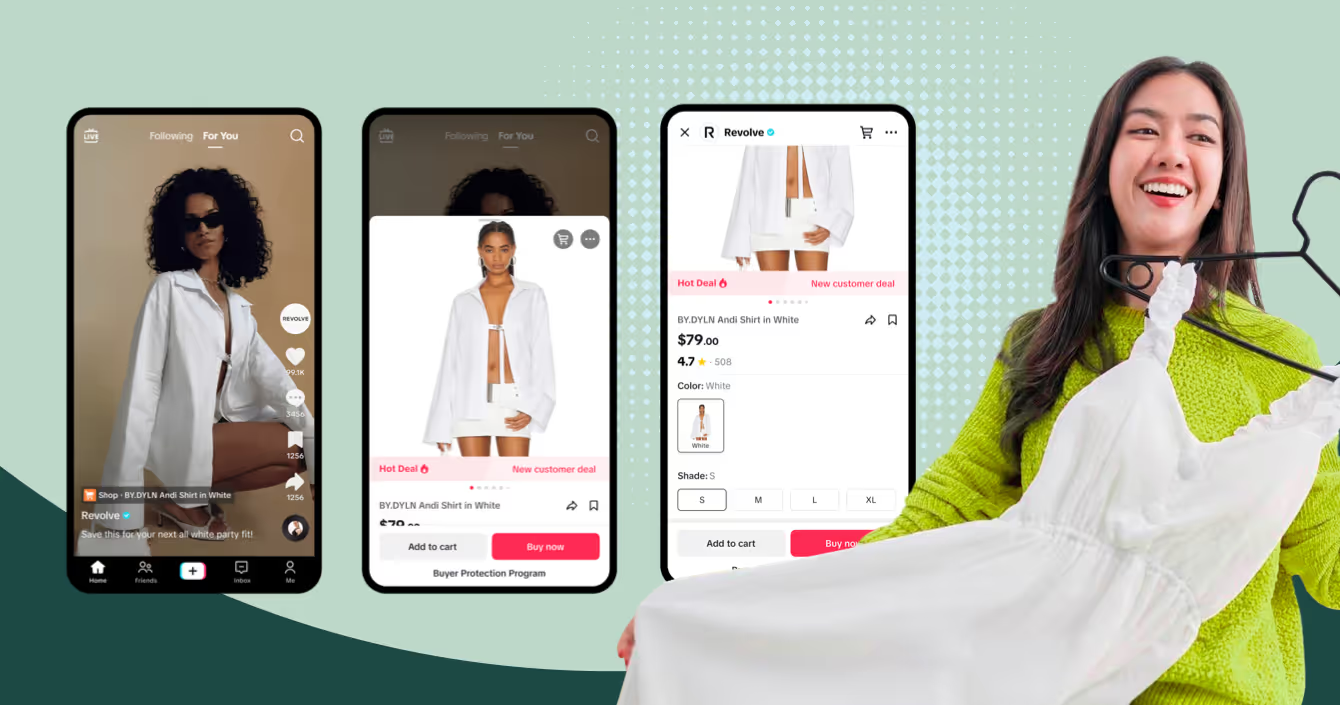
The pattern holds for commerce, too. Spark Ads tied to TikTok Shop storefronts have been reported to convert at 3.84% on average, versus 1.12% for non-Spark commerce ads.
Individual brand results can be even more impactful. In fact, eyewear brand Quay measured a 417% lift in search, a 70% lift in add-to-cart actions, and a 54% lift in purchases among its treatment group in a TikTok conversion lift study.
Getting Started With Spark Ads
Setting up Spark Ads comes down to a short handoff between the creator and your ad account:
- Have the creator enable ad authorization. In their TikTok settings, the creator turns on ad permissions under Creator Tools, then opens the post they want to authorize and taps the three-dot menu.
- Generate the Spark code. Inside Ad Settings on the post, the creator toggles on ad authorization, chooses a duration (7, 30, 60, or 365 days), and copies the code to share with your brand or agency.
- Add the code in TikTok Ads Manager. At the ad group level, choose Use TikTok Post instead of uploading a new video, paste the creator's Spark code, confirm the post, and set your targeting and budget. TikTok supports batch authorization of up to 20 codes at a time, which helps when you are managing a roster of creators.
From there, the workflow is the part that scales. Sourcing the right creators, securing ads usage rights up front, and identifying which organic posts are worth boosting is where a strong influencer program earns its keep.
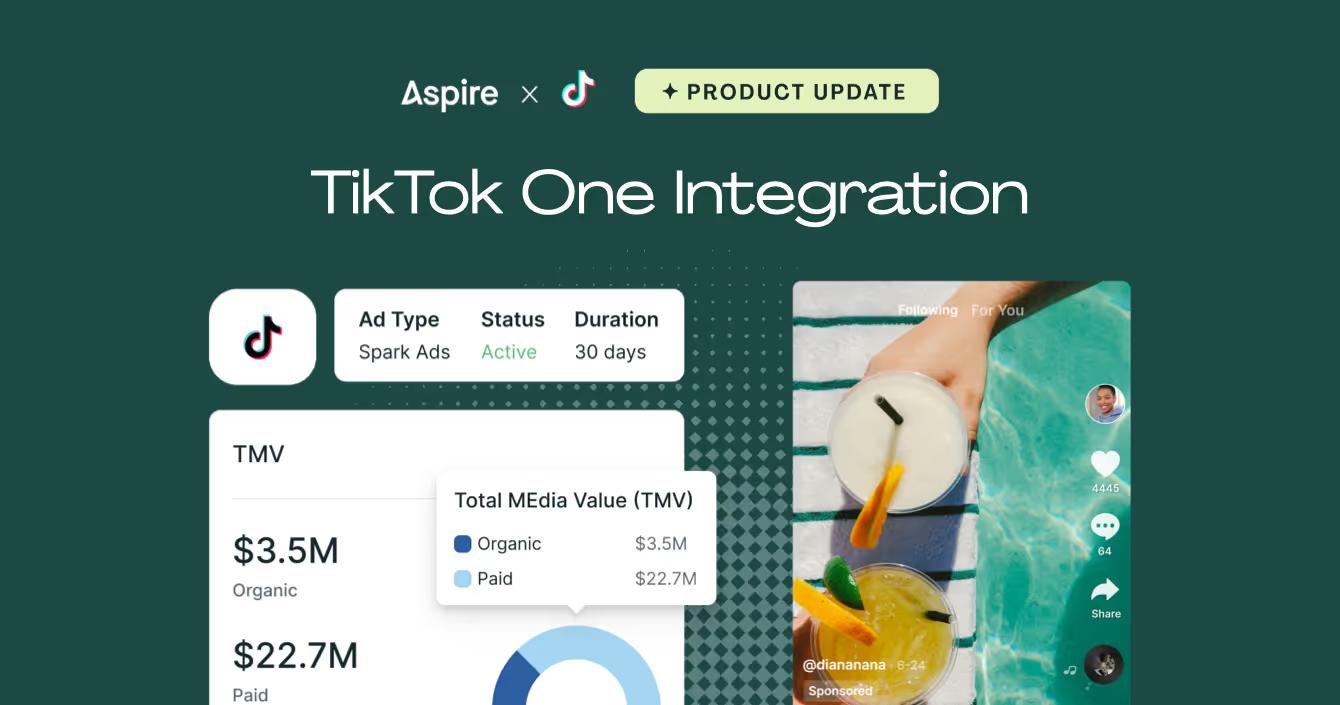
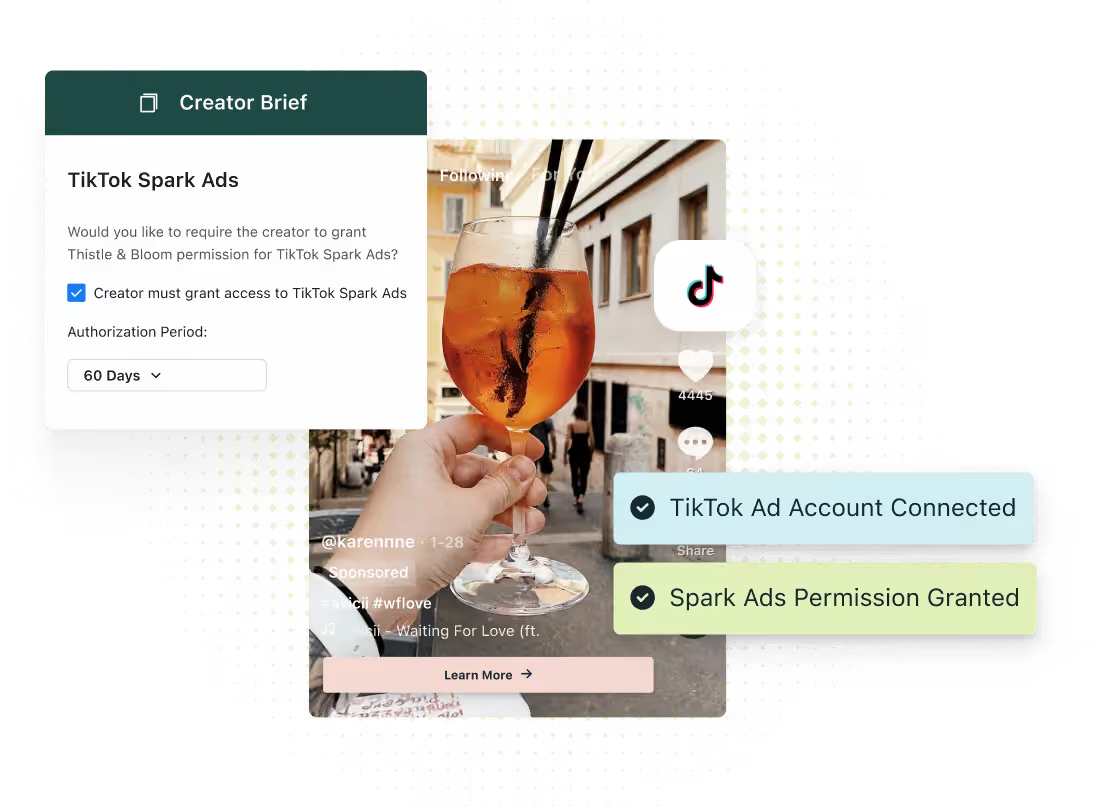
Brands on Aspire can streamline this entire process, managing creator relationships, rights, and content in one place, and even activating the best-performing posts as Spark Ads without stitching together separate tools. Learn more about our Spark Ads integration here.
Not sure how to approach Spark Ads? Work with experts from our Agency Services team to build your strategy and run every flavor of paid creator campaigns, from TikTok Spark Ads to Meta Partnership Ads, so you can take a genuinely performance-based approach to influencer marketing. Schedule a time to chat with our Agency Services team.