
TMV vs. EMV: How to Measure Creator Media Value

TMV bundles everything into one number. EMV values the attention creators actually earn. Here's how the two differ and why brands are switching to EMV.
What is creator content actually worth?
For years, marketers relied on Total Media Value (TMV). Now, they’re increasingly focusing on Earned Media Value (EMV), the metric most paid media teams already use to judge creator performance. Here’s why.
What is Total Media Value?
Total Media Value is a top-line dollar estimate of all the media value a creator campaign or program generates. It bundles reach and engagement across every post into one blended figure that essentially measures how much value all of the content produced.
However, because TMV lumps everything into one figure, that single blended total hides as much as it shows. A passive impression and a high-intent save count the same, and it’s difficult to tell how much of the value came from real engagement versus just a big reach number. That means a nano-creator with a highly engaged audience can look less valuable than a macro-creator whose followers barely interact.
Plus, since the number isn’t tied to what the same exposure would cost in paid ads, TMV is hard to compare against a paid campaign.
What is Earned Media Value?
Earned Media Value puts a dollar figure on the organic, unpaid attention your brand earns, from a creator's post to a customer's share.
Marketing usually splits into 3 kinds of media:
- Paid (the advertising you buy)
- Owned (the channels you control, like your own site and social feeds)
- Earned (the attention other people give you)
Earned Media Value measures the value of that earned layer, and estimates what the engagement a piece of creator content earned (impressions, likes, comments, shares, and saves) would have cost to achieve through paid advertising. Instead of producing one blended total, it isolates the earned engagement and benchmarks it directly against the price of buying the same outcome. It’s calculated at the level of the individual interaction, on the specific network and post type, then weighted by the creator's audience tier.
Put simply, TMV tells you how large a program looks in total, while EMV tells you what the attention it earned would have cost to buy. EMV is expressed in the same CPM and CPE language paid media teams already use, so creator performance can sit in the same report as the rest of their media, which is why it’s become the industry standard metric.
Brands lean on EMV because it gives them a single, defensible number to:
- Compare creators apples-to-apples: A nano creator with a deeply engaged audience often outperforms a mega creator with passive followers, and EMV captures that.
- Decide what to boost: EMV, CPM, and CPE side by side show a paid team which creative is worth amplifying.
- Justify creator spend: EMV converts engagement into the language finance and the CMO already speak.
- See what is working across every network: There’s one number across every platform and every post type.
How is EMV calculated?
The formula is straightforward:
EMV = Σ ( interaction count × base value ) × creator-tier factor
Two inputs you control:
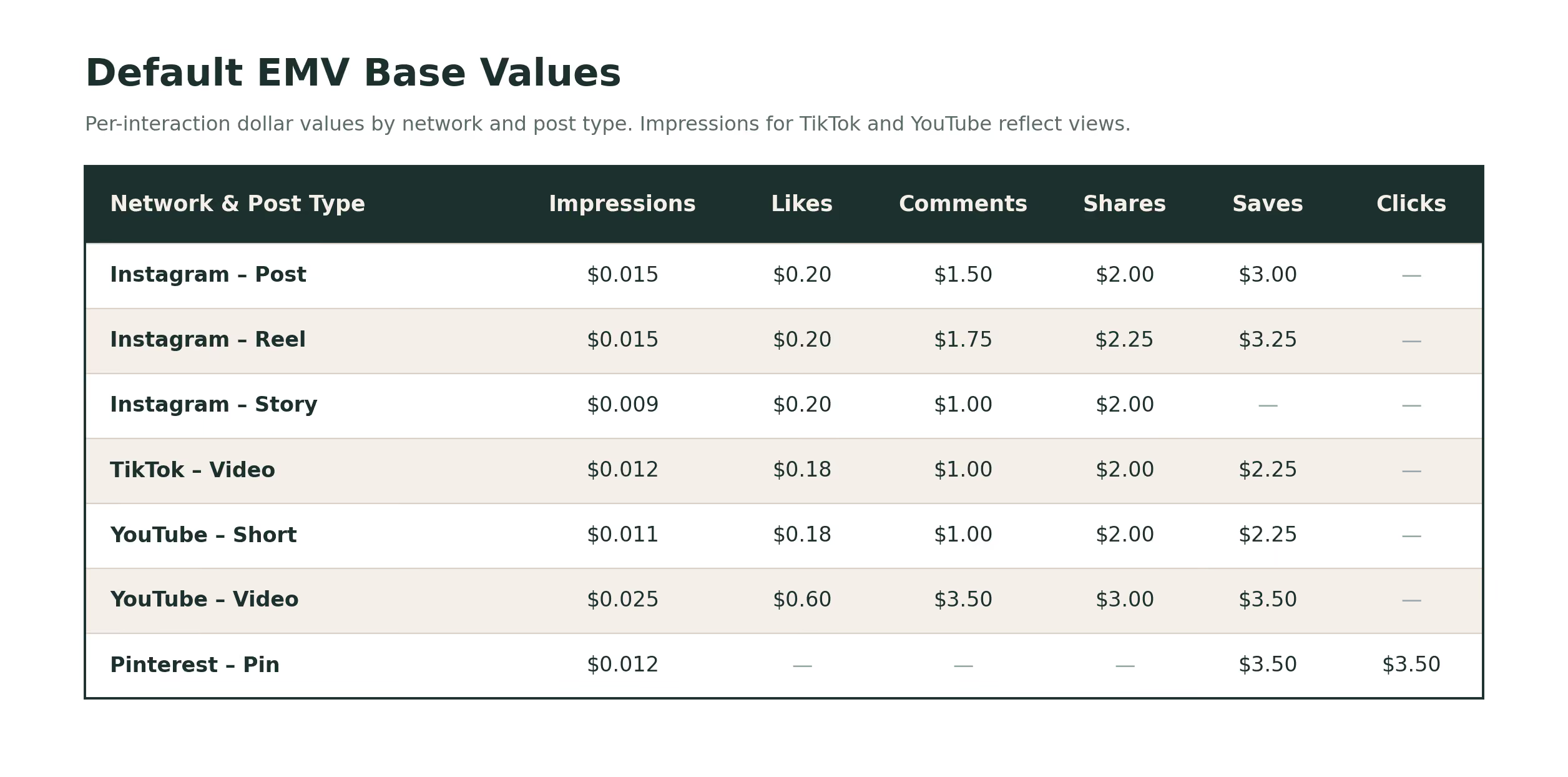
- Base value: The dollar amount each interaction (like, comment, share, impression, save) is worth, set per network and post type.
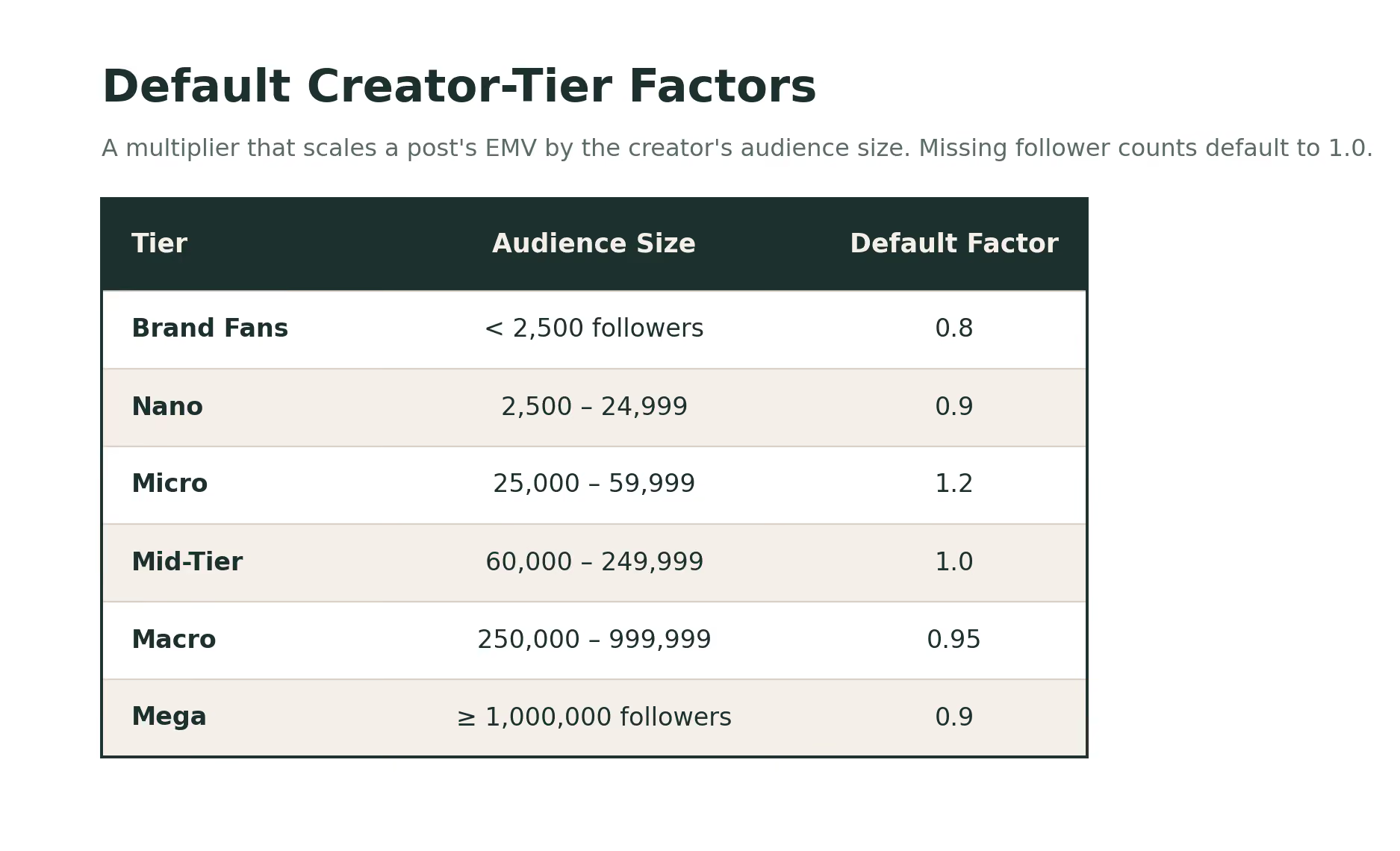
- Creator-tier factor: A multiplier that scales the post's EMV based on the creator's audience size, because a micro creator's 1K likes is worth more per like than a mega creator's 1K likes.
On Aspire, we assign default benchmarks for both the base value and creator factor, but you can override them in your Settings (more on this here).
Here are the default values we use:
Measure your creator value with precision
TMV first earned creator marketing a seat at the budget table by putting a dollar figure on the work. EMV builds on that foundation, giving influencer marketers a way to measure at the level of the individual interaction and report in the same language as the rest of their paid media.
Because EMV estimates the media value of engagement rather than direct revenue, it works best as one input in a fuller picture instead of the only number you report. As you measure your campaigns, pair EMV with conversion and attribution data to get a complete view of the impact your creator program is driving.
Want to see what your creator program looks like measured in EMV? Book a demo with our team to see EMV in action across your campaigns.