Influencer Marketing for Social Commerce: 5 Growth Hacks

Drive sales with influencer marketing for social commerce. Learn 5 advanced hacks to create shoppable content & build a performance-based creator program.
The walls between social media and e-commerce have all but disappeared. As platforms like TikTok and Instagram evolve into powerful discovery engines and points of sale, the influencer effect has transformed online shopping from a destination-based activity into an integrated part of our daily content consumption. For brands, this shift means influencers are a direct, high-impact sales channel.
But capitalizing on this opportunity requires more than just sending free products and hoping for the best. Success in social commerce demands a strategic, revenue-focused approach, integrating creators into your sales funnel with intentional growth hacks designed to convert followers into customers.
Here are 5 strategies to turn your influencer program into a measurable growth engine.
1. Turn creators into a performance-based sales team
The most direct way to drive sales is to align your incentives with your creators. Shifting from flat-fee collaborations to performance-driven partnerships turns influencers into a motivated, scalable sales force. The core tactic here is affiliate marketing.
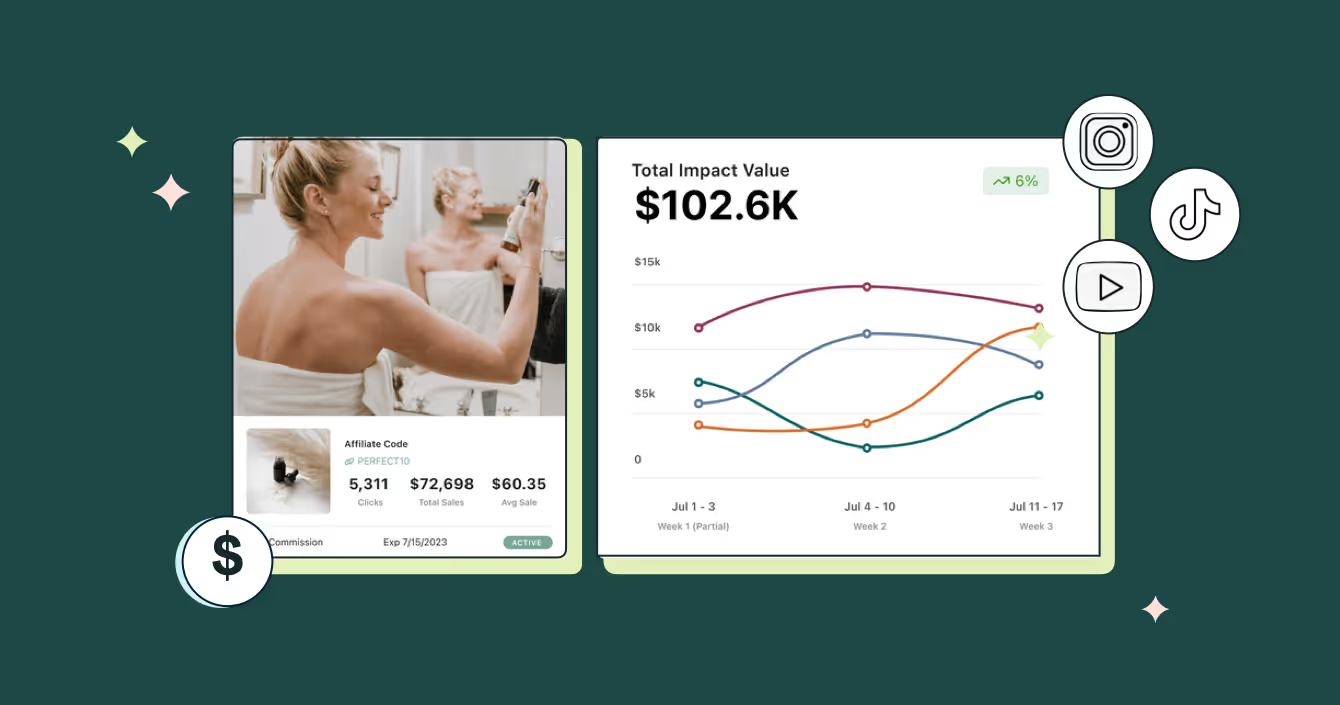
By equipping creators with unique, trackable affiliate links and promo codes, you can directly attribute sales to their efforts and reward them accordingly. This model is inherently scalable and provides a clear, measurable return on investment.
However, a pure commission-only model may deter high-quality creators or lead to content that feels overly sales-driven. Instead, build a hybrid compensation structure: a modest base fee to secure quality content creation, combined with a commission percentage on every sale they generate. This gamified approach guarantees authentic content while powerfully incentivizing sales, helping you use influencers to drive in-app sales effectively. This builds a mutually beneficial relationship where both the brand and the creator are invested in driving real business results.
2. Make all creator content shoppable
In social commerce, conversion is a game of speed and convenience. Every extra click or app switch is a potential lost sale. The key is to close the gap between discovery and purchase by making influencer content instantly shoppable.
Leverage the native e-commerce tools built directly into social platforms (tools that creators have already mastered).
- TikTok Shop: Partner with creators for in-feed videos featuring tappable product links. Go a step further by hosting influencer-led live shopping events, which create a sense of urgency and allow for real-time audience interaction and purchases.
- Instagram/Meta: Use Meta’s latest social commerce tools to streamline the path to purchase. By giving approved creators access to your product catalog, they can tag items directly, allowing their followers to browse and buy without ever leaving the app.
Encourage creators to build curated collections or guides featuring your products. This not only makes their content shoppable but also increases average order value by presenting products in an aspirational, bundled context. By using influencers to drive in-app sales with these native features, you create a frictionless path to purchase. Managing these workflows, from product seeding to sales tracking, is streamlined with an influencer marketing software platform for e-commerce brands.
3. Amplify high-performing content with paid media
One creator post can reach thousands. That same post, amplified with a paid media budget, can reach millions. Turning your best organic creator content into paid ads is one of the most effective influencer marketing strategies to grow sales.
This tactic, often called influencer allowlisting or creator-led ads, combines the authenticity of a trusted creator with the scale and precision targeting of paid social. The result is often lower customer acquisition costs (CAC) and higher click-through rates compared to traditional branded ads.
The process is straightforward:
- Secure content rights: Proactively secure content usage rights in your influencer contracts. This is a critical step to avoid legal issues and ensure you can use top-performing assets in your ad campaigns.
- Identify winners: Monitor your organic influencer content to see which posts are driving the most engagement and conversions.
- Amplify and scale: Use platforms like Meta's Partnership Ads and TikTok's Spark Ads to run the content as an ad directly from the creator's handle.
- Track and reinvest: Measure performance and double down on the creator-ad combinations that deliver the highest return.
This approach transforms influencer marketing from a one-off organic activity into a scalable, performance-driven acquisition channel. A dedicated influencer marketing platform can help automate content collection and performance tracking, making it easier to identify and amplify your winning creative.
4. Prioritize creators who convert, not just ones with clout
For social commerce, a creator’s follower count is a vanity metric. What truly matters is their ability to inspire action and drive conversions. Brands seeing the highest returns are often partnering with nano and micro-influencers who have smaller, highly-engaged communities, but foster a level of trust that a celebrity with millions of followers simply cannot replicate. Their niche audiences often deliver higher engagement and a stronger return on investment.
When vetting potential partners, look beyond follower numbers and focus on these conversion-oriented indicators:
- Audience alignment: Do their follower demographics match your ideal customer profile?
- Engagement history: Look for a high volume of comments, shares, and saves, not just likes. These metrics indicate a community that is actively listening and trusts the creator's recommendations.
- Authentic style: Does their content style and tone feel genuine and align with your brand's voice?
Finding these high-impact partners is easier with discovery tools like the Aspire Creator Marketplace, which connects brands with creators who are actively looking to build authentic partnerships.
5. Empower creators to tell their stories
The most effective influencer content never feels like an advertisement. It feels like a recommendation from a trusted friend. A hard-sell approach loaded with corporate jargon shatters that trust and triggers the audience's internal ad-blocker.
To succeed, you must empower creators to tell genuine stories about your product. This means giving them creative freedom. While you should provide a clear brief with campaign goals, key messages, and do's-and-don'ts, avoid overly restrictive scripts. The goal is to have the creator integrate your product naturally into their existing content style.
The tradeoff for this freedom is a small risk of off-brand messaging. However, this risk is easily managed through a clear briefing process and a solid creator vetting strategy. When you allow influencers creative freedom, you get content that is more authentic, more engaging, and far more effective at driving sales.
From awareness to action
Successful influencer marketing for social commerce is no longer about one-off campaigns for brand awareness. It's about building a strategic, full-funnel program that drives measurable revenue. By turning creators into a performance-based sales team, making their content shoppable, amplifying top posts with paid media, choosing partners based on conversion potential, and empowering them with creative freedom, you can build a powerful and scalable sales channel.
Ready to turn your influencer program into a revenue engine? See how Aspire's all-in-one platform automates affiliate tracking, content amplification, and sales attribution.