Why Last-Click Attribution Fails Creator Marketing

Last-click misses up to 90% of creator-led value. Here's how multi-touch attribution finally credits influencer content properly.
If you measure your influencer program with a last-click model, the program will almost always look like it’s underperforming.
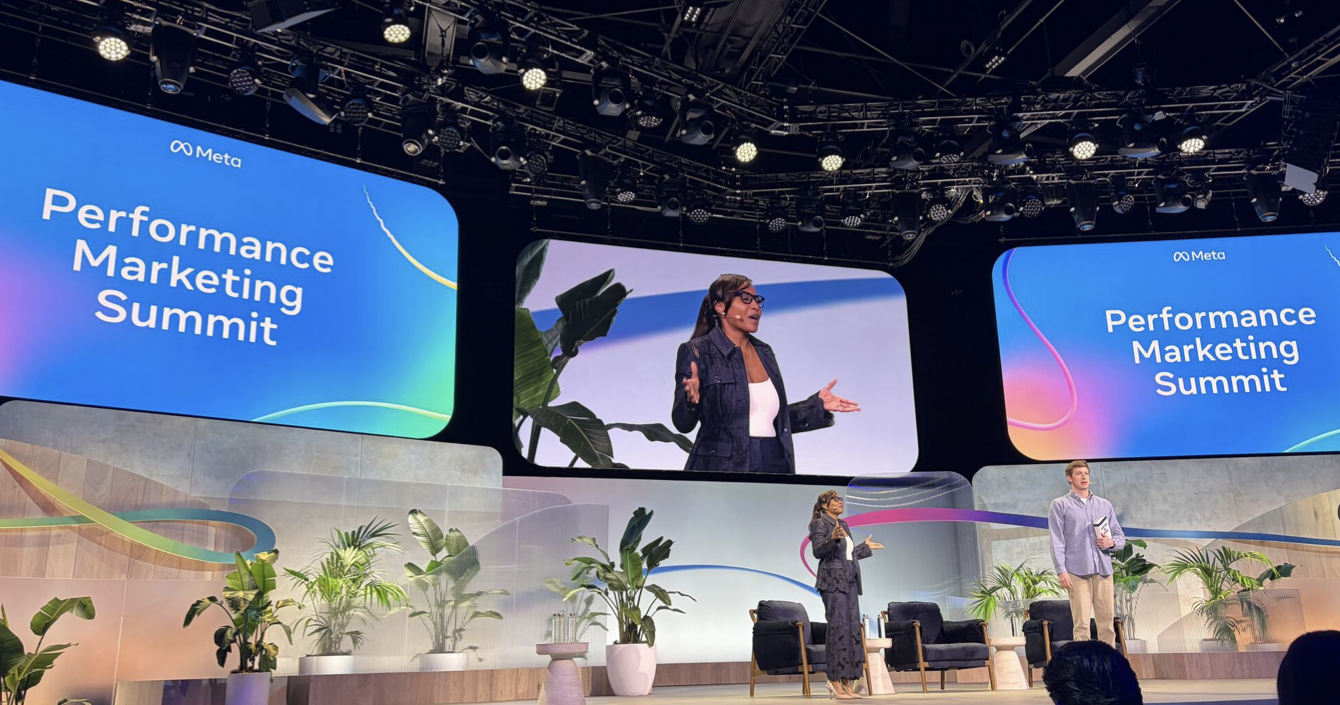
And TikTok and Meta just confirmed it, too. At their 2026 Partner Summit, TikTok confirmed that last-touch attribution misses up to 90% of the credit owed to upper-funnel activity. Meanwhile, at their 2026 Performance Marketing Summit, Meta urged advertisers to shift away from last-click and toward LTV and incrementality.
It’s clear that the model the entire ad industry has been running on for the last decade is broken, and the work most affected by that breakage is creator content. But it’s about to change.
The problem with last-click attribution
Picture this. A Gen Z shopper opens Instagram. A creator they follow posts a Reel reviewing a skincare brand. They watch it, screenshot the product, and save the post. A week later, the shopper Googles the brand by name to see what other people are saying. Their search surfaces a paid Google Ads result for the brand. They click, land on the site, and convert.
Under a last-click model, the Google Ad takes 100% of the credit. The creator's Reel, which actually did the selling work of moving a stranger from never-heard-of-the-brand to ready-to-buy, gets nothing. Multiply that pattern across thousands of conversions and a meaningful chunk of every CMO's reporting becomes structurally wrong.
Why does this happen?
Creator content often affects the parts of the buyer’s journey that last-click cannot see:
- Discovery: Creators introduce products to audiences who would otherwise never have encountered the brand.
- Consideration: Creators build the trust that turns a vaguely-aware audience into a researching one. In fact, 81% of people who follow creators do so for expertise rather than fame, which is exactly the kind of authority that drives consideration in a way paid media cannot.
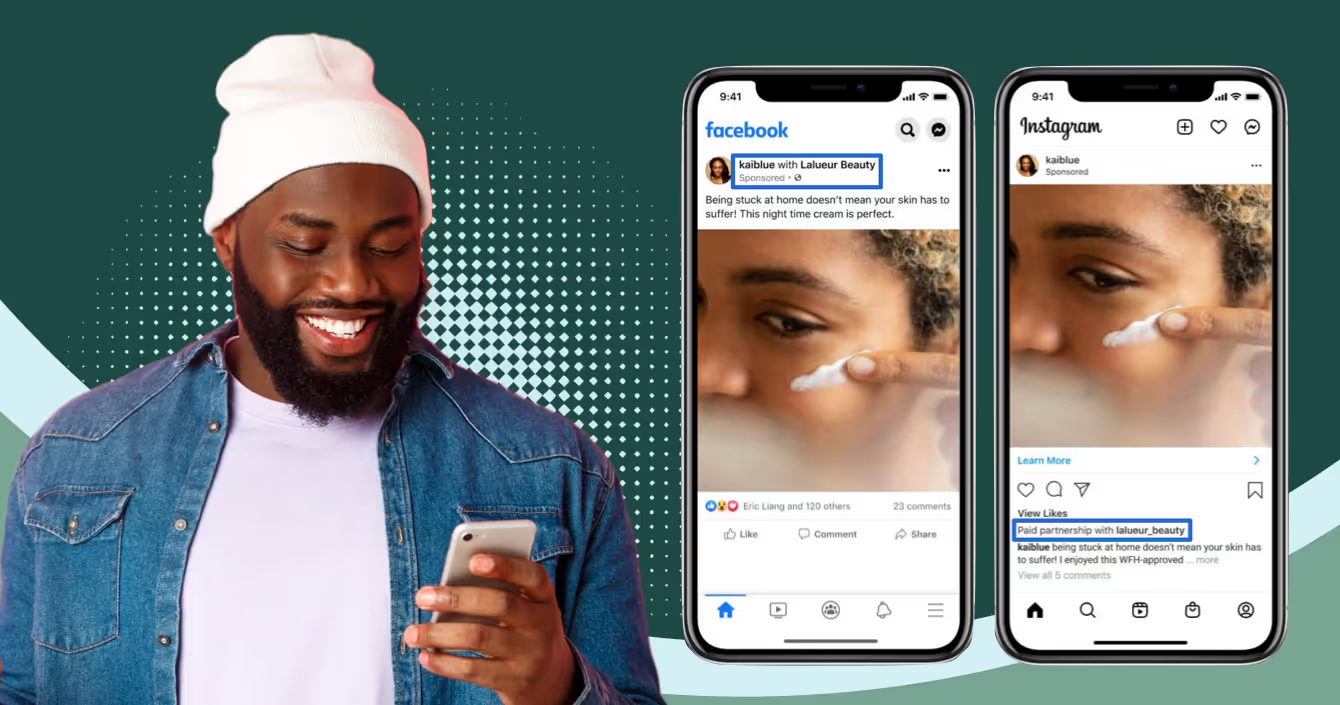
- Conversion lift across the funnel: Even when creators are not the last touch, Partnership Ads (the format that boosts a post directly from the creator's handle) drove a 22% increase in conversion rate and a 71% brand lift in integrated campaigns. Both metrics are full-funnel, not last-click.
A measurement model that only credits the final touch will always underestimate work that happens before the final touch, by definition.
Multi-touch attribution is finally coming to creator marketing
The good news is that the infrastructure to credit creator work properly is being built right now. The platforms know last-click is broken and they’re shipping the APIs to do something about it.
A few shifts are already in motion:
- Meta Impact Test framework: A clean control-versus-treatment design that runs for 2-4 weeks, allocates 30 percent of the treatment cell to Partnership Ads, and requires at least 5 distinct Partnership Ads in the cell to produce a reliable read. The framework is designed specifically to measure the incremental lift creator-led paid drives, rather than relying on last-click.
- LTV and incrementality as the new defaults: Meta is explicitly pushing advertisers to optimize for lifetime value and incrementality rather than last-touch ROAS.
- Native multi-touch attribution integrations: Major creator platforms and ad networks are building APIs that connect to multi-touch dashboards like Google Analytics 4, so the contribution of an upper-funnel creator touch can be tracked against an eventual GMV outcome.
- Partnership Ads as a measurement format: Because Partnership Ads run directly from the creator's handle, every impression, click, and conversion can be attributed to the creator natively. The creator did the work, so the creator gets the credit.
Together, these shifts mean an influencer program measured in 2026 will tell a noticeably different story than the same program measured in 2023.
What does this mean for marketers?
Last-click attribution systematically undervalues the work that does most of the selling in 2026. Creators often sit upstream of the click that gets credited, and any measurement system that ignores upstream work will make creators look like a worse investment than they are.
If your influencer reporting still runs on last-click, follow this playbook to move off of it inside the next quarter.
- Set up a Meta Impact Test on a current campaign. 30% of one campaign's treatment cell allocated to Partnership Ads with at least 5 distinct creative variants is enough to produce a clean read on incremental lift.
- Connect your creator program data to a multi-touch dashboard. By doing so, you can tie back creator content engagement to downstream conversions.
- Adopt a portfolio metric. Single-number metrics let the entire program report up to leadership in one line, rather than asking executives to reconcile 6 different vanity numbers from different platforms.
- Brief leadership on what is changing. The first time a marketing team reports that their creator program is delivering 10x or 30x of value, the CFO will push back. Get ahead of it by walking leadership through the multi-touch math before the first report lands.
Want to see what your creator program looks like under modern attribution? Book a demo to see Aspire in action.