The Affiliate Era: Why Creators are the New Sales Channel

Affiliate marketing runs on trust, not discount codes. Here's how leading brands turn creators into a real sales channel.
The old affiliate model was transaction-focused: one-off discount codes, mass-scale programs with little brand alignment, and tightly controlled, corporate-led messaging. It came with attribution gaps and code leakage, and most marketers would rather forget it than optimize it.
The new model is built on long-term partnerships with creators who are genuinely relatable to their audience. Rather than handing over a script, brands give creators the creative freedom to talk about the product in their own voice. The shift to lo-fi, video-first content has created a high-trust commerce experience, and it’s changed how affiliate marketing works.
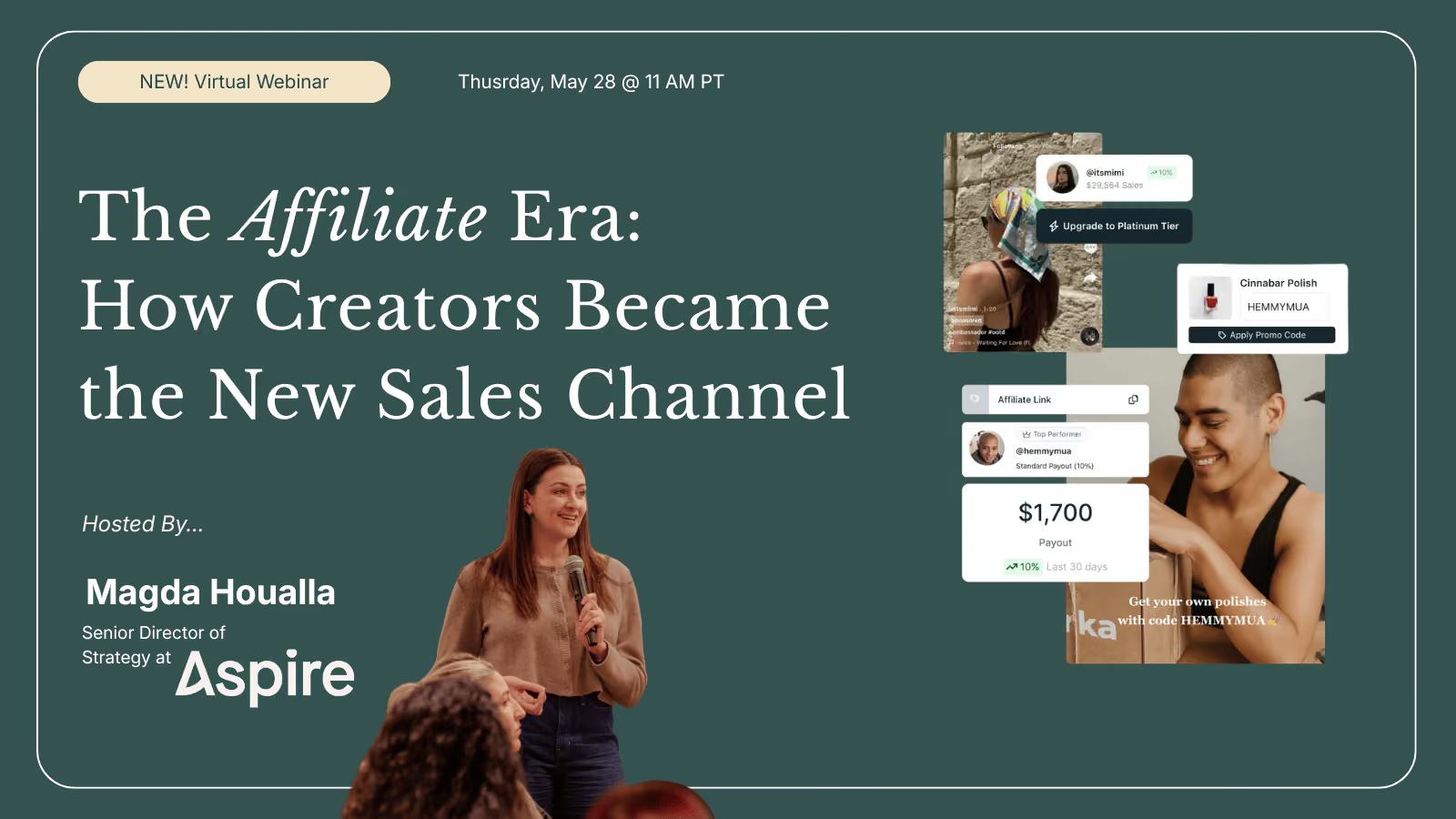
In our recent webinar, we unpacked how creators went from a top-of-funnel awareness play to a high-growth sales channel, and the role that affiliate marketing plays in driving that revenue.
Keep reading for a recap of the key takeaways, or watch the full webinar on demand.
The 4 pillars of a high-performing program
1. Customized structures
Today, roughly 5% of your affiliates drive about 80% of your revenue, which means your top tier affiliates deserve better incentives.
We recommend a 3-tiered structure you can branch off from as you get more sophisticated:
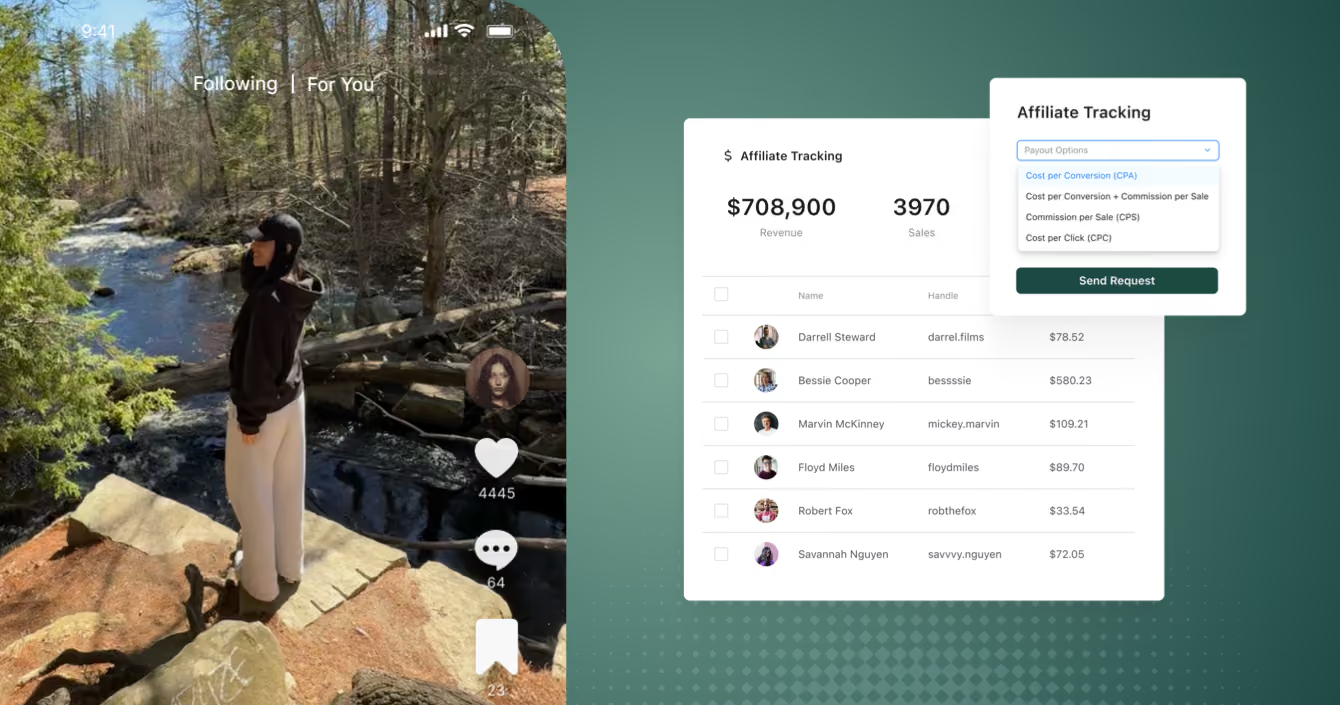
- Base tier: A standard commission, somewhere in the range of 5% to 15% on every sale driven.
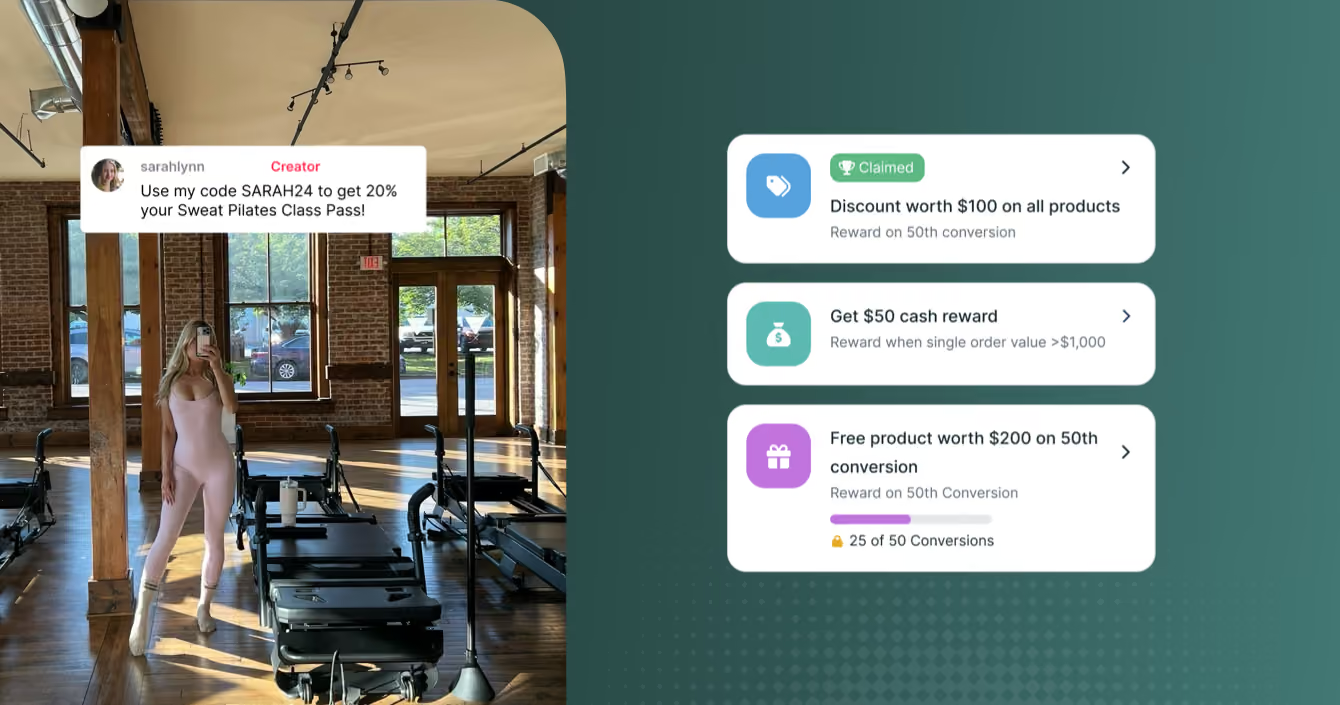
- Mid tier: Triggered by performance over a set window. If a creator drives 50 sales in three months, they're automatically bumped into a higher commission bracket or earn a quarterly cash bonus.
- Top tier: A combination of stronger monetary compensation and a tangible VIP experience, like a quarterly dinner with your executive team or an exclusive virtual session.
Remember, rewards don't have to be cash. A higher payout, early product access, an exclusive offer, or a bundle of someone's favorite products can all signal that you recognize them.
2. Engaged communities
Your best affiliates usually start as customers and superfans. A smart way to find them out of the gate is to look at your existing customer base (say your Shopify customers), and identify who already has a social presence and is already talking about you through social listening.
From there, prioritize creators with engaged niche communities in your space, and give them room to create content that fits their voice. Additionally, create space for your creators to connect with one another, because the most engaged affiliates are the ones who feel like they're part of a community.
3. Affiliate enablement
Give affiliates the tools to drive sales through consistent touchpoints like a bi-weekly newsletter with product info, top-performing hooks, talking points, and FAQs. The goal is to over-arm them upfront rather than leave them scrambling when their audience asks questions. The easier you make it to create, link, and earn, the faster the program scales.
4. Operating at scale
Affiliate marketing is a numbers game. Recruit as frequently as you can, and put the infrastructure and tech stack in place to handle that volume. More creators means more creative angles, more audiences, and more conversion opportunities.
Even with past data, there are real unknowns. A creator who drove $100,000 for one brand might not replicate that for another in a different category, so don't lean too blindly on upfront metrics. Test and reinvest.
3 affiliate marketing best practices
1. Know your affiliate mix
When building your affiliate program, look for these 4 personas:
- The Salesperson: Comfortable selling from the first half-second, pushing codes, and talking openly about commissions. A staple of TikTok Shop and someone worth always having on the roster.
- The Storyteller: Leans into emotion and weaves products naturally into their lifestyle content. Subtler than the salesperson, but a real sales driver.
- The Industry Expert: An esthetician, dermatologist, or stylist who has built a following around their profession and earns trust through education. Critical in beauty, skincare, and wellness.
- The Trusted Friend: Maybe a smaller following, but their audience treats their recommendations like advice from a close friend, because they actually engage.
Note that not every creator wants to be an affiliate (and that's fine). Some see their value as creative rather than as a salesperson, and they can still be incredible UGC partners. Go in with an open mind.
2. Measure beyond the last click
If you only look at affiliate revenue, you're missing most of the story. Consumers often convert on the 4th or 5th affiliate post they see, not the first. The 5th creator gets the credit, but cut the other four and you lose the sale.
Instead, take a full-funnel approach with one or two North Star metrics per stage:
- Awareness: Reach, video views, engagements, audience growth, and brand search lift
- Consideration: Post saves, shares, site visits, product detail page views, and email sign-ups
- Conversion: Affiliate revenue, average order value, return on ad spend, and social commerce sales
- Business health: Customer acquisition cost efficiency, repeat purchases, lifetime value, and creator retention
3. Social commerce closes the loop
Social commerce has become the center point of content, community, and checkout rather than a workaround like a link in bio. The best affiliate strategies don't treat it as a separate initiative. They loop it in, so creators drive awareness, affiliates capture intent, and social commerce closes the loop with a simple in-platform tap. Affiliate is powered by social commerce, so make sure TikTok Shop, YouTube Shopping, and Instagram Shopping align with your existing affiliate incentives.