How the YouTube Algorithm Actually Works (and How to Use It to Your Advantage)

Here's how the YouTube algorithm ranks content across Home, Search, Suggested, and Shorts.
YouTube is the #1 video platform for personalized content, according to viewers themselves. The platform's recommendation system has evolved into one of the most sophisticated content-matching engines on the internet, and it's shaping how millions of people discover new creators, products, and brands every single day.
So, how does the YouTube algorithm work, and how can marketers and creators create videos that keep surfacing for weeks (or even months)?
Today, we’re breaking down how YouTube's recommendation system actually operates, where videos get recommended, and how the Shorts algorithm differs from long-form content. Let’s get started.
How does the main YouTube algorithm work?
At its core, YouTube’s algorithm evaluates viewer behavior, not video content. The system is designed to serve each viewer the content they're most likely to engage with, based on their individual viewing habits, engagement history, and preferences.
YouTube's main ranking system (which determines long-form video recommendation) relies on a layered mix of engagement signals, satisfaction metrics, and personalization data. Here's what it's actually weighing:
- Viewer engagement signals: Click-through rate, watch time, viewer retention, likes, comments, and shares all indicate audience interest. On the flip side, negative signals like "Not Interested" clicks tell the algorithm to deprioritize a video. Every interaction (or lack thereof) feeds the system.
- Viewer satisfaction: YouTube doesn't just track whether someone clicked. It tracks whether they were glad they clicked. The platform uses surveys and post-view behavior to gauge whether viewers found a video valuable. Videos that keep people watching more content afterward, or that prompt replays, rank higher.
- Personalized recommendations: Watch history, viewing habits, time of day, and device type all shape what shows up in someone's feed. A viewer might see short news clips in the morning on their phone and longer-form documentaries in the evening on their TV. The algorithm adapts to context.
- Long-term relevance: Evergreen content has a real advantage here. Videos can resurface weeks or months after publishing if they align with trending topics or seasonal interest. This is why updating thumbnails, titles, and descriptions on older videos is a smart habit. A well-optimized back catalog can keep driving views long after launch.
- Global optimization: Translating or dubbing videos opens the door to entirely new audiences. YouTube can recommend the same piece of content across multiple regions and languages when localized versions exist, which is a huge opportunity for brands thinking beyond their home market.
Where do long-form videos get recommended?
YouTube applies these signals differently depending on where a viewer is browsing. Understanding each surface helps creators (and the marketers working with them) tailor their content strategy.
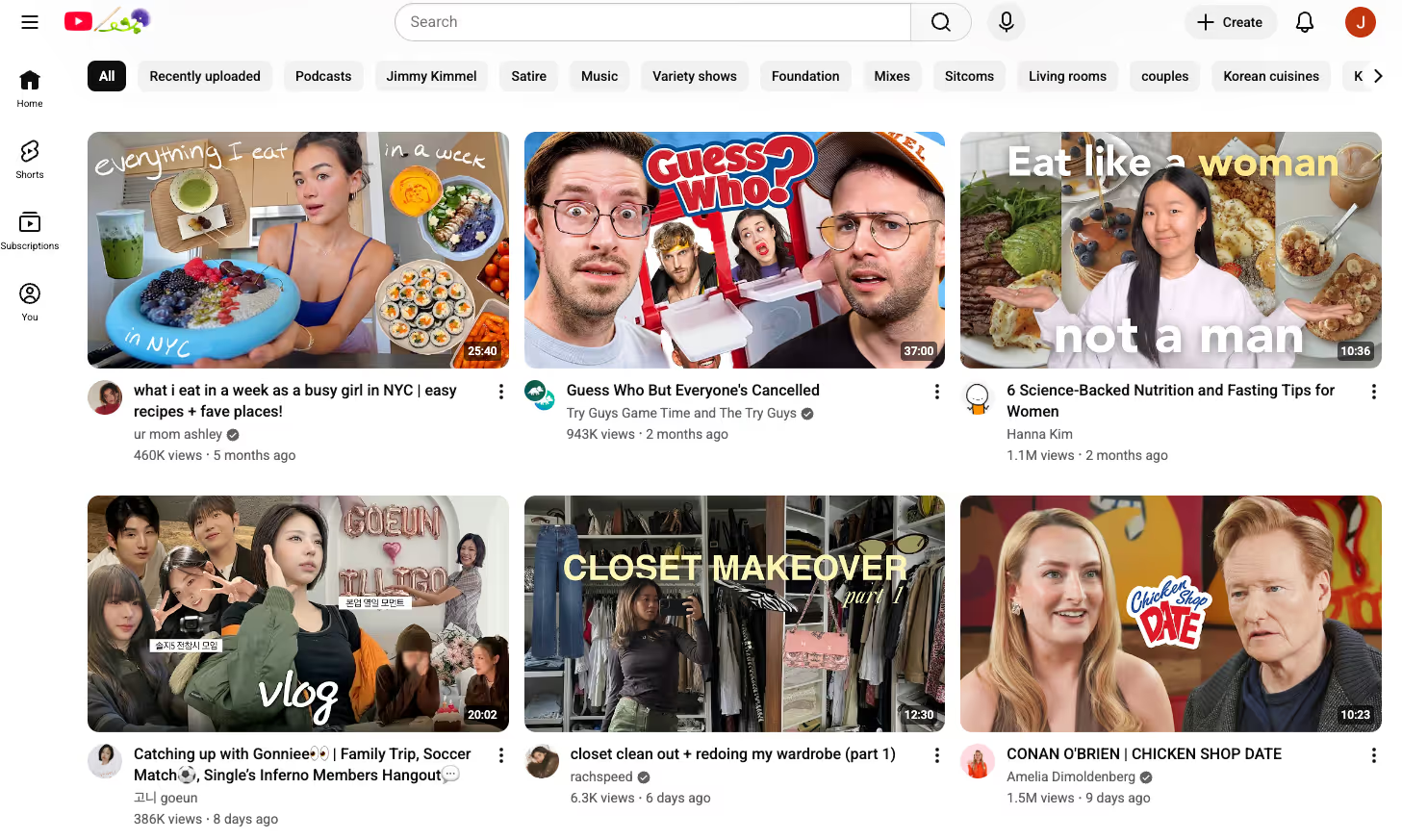
- Home: The Home feed is the most personalized surface on the platform. It combines videos from a user's subscriptions with trending content and recommendations based on what similar viewers have watched. This is where strong thumbnails and titles do their heaviest lifting, because you're competing for attention in a crowded, algorithmically curated feed.
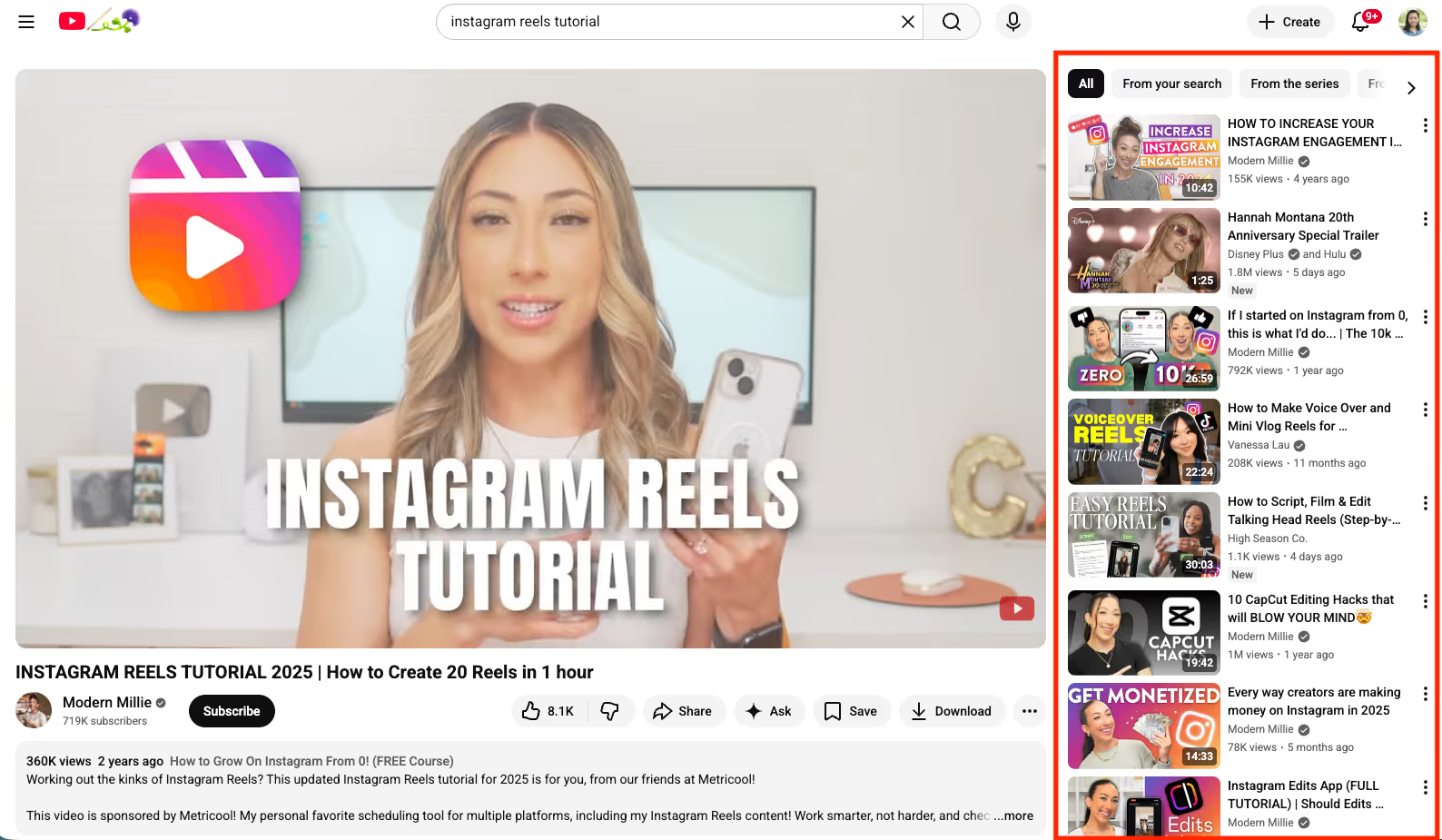
- Suggested videos: These appear alongside or after the video someone is currently watching. They're based on topical relevance and viewer behavior patterns. If someone is watching a tutorial on Instagram Reels strategy, the Suggested sidebar might surface a related video about TikTok content repurposing. For brands, this is where series-based content and creator collaborations can compound views over time.
- Search: YouTube Search works more like a traditional search engine. Results are ranked on keyword relevance and engagement metrics, not just popularity. A smaller creator's video with strong watch time and a well-optimized title can absolutely outrank a larger channel's video on the same topic. This makes SEO fundamentals (titles, descriptions, tags, closed captions) especially important for discoverability.

How can your long-form YouTube videos rank higher?
Understanding how the algorithm works is only useful if you put it into practice. Here's how to brief creators and structure campaigns so long-form content gets the algorithmic push it deserves.
- Nail the first 30 seconds. Viewer retention is one of the strongest ranking signals, and YouTube pays especially close attention to early drop-off. Brief creators to open with a hook that immediately communicates what the viewer will get out of watching. Skip lengthy intros, branded bumpers, and slow build-ups.
- Optimize titles, thumbnails, and descriptions before and after launch. Click-through rate directly influences how often YouTube serves a video on Home and in Suggested. Encourage creators to A/B test thumbnails and refine titles based on early performance data. This isn't a set-it-and-forget-it game. Updating metadata on underperforming videos (or even older evergreen content) can trigger a second wave of recommendations.
- Prioritize watch time over view count. A 12-minute video where viewers consistently watch 8+ minutes sends a much stronger signal than a 3-minute video with high views but 40% average watch duration. When evaluating creator partners, look at their audience retention curves, not just their subscriber numbers.
- Encourage engagement in the content itself. Videos that generate comments, likes, and shares rank higher. Creators who ask genuine questions, respond to comments, or build community around their content give the algorithm more positive signals to work with. This is worth calling out in campaign briefs.
- Think evergreen. YouTube's algorithm resurfaces older content when it aligns with trending searches or seasonal interest. Briefing creators on topics with long-term search value (think "how to run a product seeding campaign" vs. "what happened on TikTok this week") gives your investment a longer shelf life.
- Add subtitles and translations. Closed captions improve accessibility and discoverability. Translated or dubbed versions of a video can rank in entirely new regions, expanding reach without additional creator spend.
How does the YouTube Shorts algorithm work?
YouTube Shorts has become one of the platform's biggest growth areas, pulling in 70 billion daily views. But the Shorts algorithm operates on a different set of rules than long-form content, and understanding those differences is critical if you're investing in short-form creator campaigns.
- Engagement: Likes, comments, and shares are the primary signals telling the algorithm that a Short is connecting with viewers. High engagement in the first few hours after posting can accelerate a Short's distribution significantly.
- Watch duration: Because Shorts are brief by nature, the algorithm pays close attention to completion rate. The closer viewers get to watching 100% of a Short, the stronger the signal. This is why pacing and hooks are so important in short-form content. You need to earn every second of attention.
- Replays and loops: Videos that naturally loop or get rewatched signal strong viewer interest. Creators who design Shorts with a built-in loop (where the ending connects back to the beginning) often see outsized performance because the algorithm reads those repeat views as high satisfaction.
- Content variety: YouTube intentionally avoids showing too many Shorts from the same creator back-to-back. This means consistency in posting matters more than volume in a single session. Spreading Shorts out over time gives each one a better chance at reaching new viewers.
- User preferences: Just like long-form content, the Shorts feed is tailored based on each viewer's watch history, likes, skips, and engagement patterns. A Short doesn't need to go viral with everyone. It needs to resonate with the right audience, and the algorithm will do the work of finding them.
How can your YouTube Shorts rank higher?
The Shorts algorithm rewards a different set of behaviors than long-form. If you're investing in short-form creator content, here's how to give it the best shot at wide distribution.
- Hook within the first second. Shorts live or die by whether someone keeps watching or swipes past. The opening frame needs to immediately grab attention, whether that's a bold visual, a surprising statement, or a question that creates curiosity. There is zero room for warm-up.
- Design for completion and replay. Because watch duration relative to total length is the key metric, shorter Shorts (under 30 seconds) with tight pacing tend to outperform longer ones with filler. Even better: design the ending to loop seamlessly back into the beginning. The algorithm reads replays and loops as strong satisfaction signals, and loopable Shorts can snowball quickly.
- Post consistently, not all at once. YouTube limits how many Shorts from the same creator appear back-to-back in someone's feed. Flooding the platform with five Shorts in one day won't multiply your reach. A steady cadence of 3 to 5 Shorts per week gives each one a better chance at individual distribution.
- Front-load engagement triggers. Shorts that generate likes, comments, and shares early perform significantly better. Encourage creators to include a question, a hot take, or a "comment if you agree" prompt. Early engagement velocity matters more in Shorts than almost any other format.
- Use trending audio and formats (when it fits the brand). Shorts that tap into trending sounds or visual formats get an initial boost in distribution. That said, forced trend-jacking reads as inauthentic to viewers and can hurt retention. The sweet spot is creators who can adapt trends to feel natural within their content style.
- Keep text overlays readable and captions on. A significant portion of Shorts are watched without sound. Text overlays and auto-captions make content accessible to those viewers and improve completion rates, which feeds directly back into the algorithm.
Take advantage of the YouTube algorithm
The YouTube algorithm rewards content that genuinely connects with viewers, whether it's a 15-second Short or a 20-minute deep dive. For marketers, this means prioritizing creators with strong engagement metrics over raw subscriber counts, briefing them with algorithmic best practices baked in, and thinking about content longevity from the start.
When your creator partnerships are built around audience-first content with smart optimization habits, YouTube's recommendation system stops being a black box and starts working as your distribution engine.
For more YouTube tips and insights, download The Ultimate Guide to YouTube Influencer Marketing.