Everything Marketers Need to Know about YouTube Shorts

YouTube Shorts has a 5.91% engagement rate, beating TikTok and Reels. Learn how to build Shorts into your creator strategy with 9 proven best practices.
Short-form video has taken the world by storm, with 92% of marketers increasing their investment in the format. But if you're only thinking about TikTok and Instagram Reels when you plan your short-form content, you're leaving money on the table.
Enter: YouTube Shorts.
Why YouTube Shorts?
YouTube Shorts has quietly become one of the most effective short-form video channels available to marketers. The numbers back it up:
- YouTube Shorts boasts an engagement rate of 5.91%, outperforming TikTok (5.75%) and Reels (2%).
- YouTube Shorts garner 70 billion average daily views, up 200% since its launch in 2021.
- There are now over 175 million YouTube Shorts users in the US, a 6.44% year-over-year growth.
Plus, with YouTube's massive, established user base and its powerful recommendation engine, Shorts content has a longer shelf life than most short-form video on other platforms.
How do YouTube Shorts fit into a full-funnel creator strategy?
For marketers, YouTube is a powerful one-two punch. Shorts spark awareness and attract new audiences at the top of the funnel, while the platform’s legacy long-form content builds depth, trust, and conversions. Used together, the two formats provide both the scale of short-form and the impact of long-form.
YouTube Shorts also helps diversify your reach. If you're running short-form campaigns exclusively on TikTok, you're exposed to a single platform's algorithm changes, audience shifts, and regulatory risks (something TikTok marketers know all too well). On the other hand, pairing Shorts with TikTok and Instagram Reels ensures your brand connects with audiences across multiple touchpoints.
Take Zircon, for example. To promote their StudSensor™ L50, the brand strategically worked with a diverse mix of creators to share content across Instagram Reels, YouTube Shorts, and Facebook. By leveraging storytelling, diverse creator voices, and cross-platform testing, Zircon generated 1.2K attributed link clicks, 25.7M impressions, and 523K engagements.

How does the YouTube Shorts algorithm work?
YouTube’s algorithm is a personalized recommendation system designed to serve every viewer the content they’re most likely to enjoy. Instead of pushing popular videos to the masses, YouTube pulls content for each individual user based on their viewing habits, engagement patterns, and preferences. And it works. Viewers say that YouTube is the #1 video platform with content most personalized to them.
The Shorts algorithm works differently from the long-form content on the platform. Here’s what it takes into account:
- Engagement: Likes, comments, and shares show the algorithm that a Short is resonating with viewers.
- Watch duration: The closer viewers get to watching 100% of a Short, the better it performs in recommendations.
- Replays and loops: Videos that naturally loop or get rewatched signal strong interest and can go viral quickly.
- Content variety: YouTube avoids showing too many Shorts from the same creator back-to-back, keeping feeds diverse.
- User preferences: Shorts feeds are tailored based on each user’s watch history, likes, skips, and other behavior.
Best of all, YouTube's algorithm tends to surface content based on watch behavior and interest signals rather than just recency, which means a well-performing Short can continue generating views weeks or even months after it's published.
9 YouTube Shorts best practices
Here’s how to create high-performing, scroll-stopping YouTube Shorts.
1. Hook your audience in the first 1-3 seconds.
If someone is going to swipe away, it happens fast. Use visual intrigue, a surprising statement, an emotional opening, or quick action to grab attention immediately. The first frame matters more than anything else in the video.
2. Ride trends and use relevant audio.
Trending songs, sounds, and meme formats act as built-in discovery tools. When your content taps into what people are already watching and engaging with, it's more likely to surface in feeds. The key is choosing trends that align naturally with your niche or brand so the content feels authentic rather than forced.
3. Keep the pacing tight and visually dynamic.
Quick cuts, dynamic editing, and visual variety help maintain interest throughout the clip. Avoid long, static intros or talking-head shots that don't move. Every second needs to earn the viewer's attention.
4. Optimize your titles, hashtags, and descriptions.
Use relevant keywords and hashtags to help the algorithm understand and categorize your content. Authentic, clear titles tend to perform better than clickbait. Think of these elements as your content's metadata: they tell YouTube who to show it to.
5. Prioritize watch time, loops, and replays.
YouTube's algorithm favors Shorts that keep viewers watching all the way through, or better yet, rewatching. Naturally looping content, cliffhangers, and satisfying endings that pull viewers back to the start are powerful signals that your content is resonating.
6. Tailor content to how your audience actually watches.
Think about what your audience already watches, when they watch (morning versus evening), and how they consume content. Shorts feeds are personalized, so matching your content to user behavior and preferences gives it a better chance of surfacing.
7. Lead with value, not a sales pitch.
The call to action matters, but too much selling too early risks losing viewers before they get to it. The highest-performing Shorts tend to focus first on entertaining, educating, or surprising the viewer. Deliver the value upfront, then let the CTA land naturally.
8. Experiment with format and length.
Try different lengths (15 seconds, 30 seconds, 60 seconds), formats (talking head, product demo, behind-the-scenes), and styles. Test different thumbnail treatments. See what resonates with your specific audience, and then lean into what works.
9. Use captions and text overlays.
A significant portion of viewers watch without sound. Text overlays and captions make sure your message gets across regardless of how someone is watching. They also help emphasize key points and improve overall retention.
Scale YouTube Shorts with creators
Running creator-driven Shorts campaigns at scale introduces its own set of challenges, whether it’s building briefs, managing approvals, tracking performance, or finding the right YouTube creators in the first place.
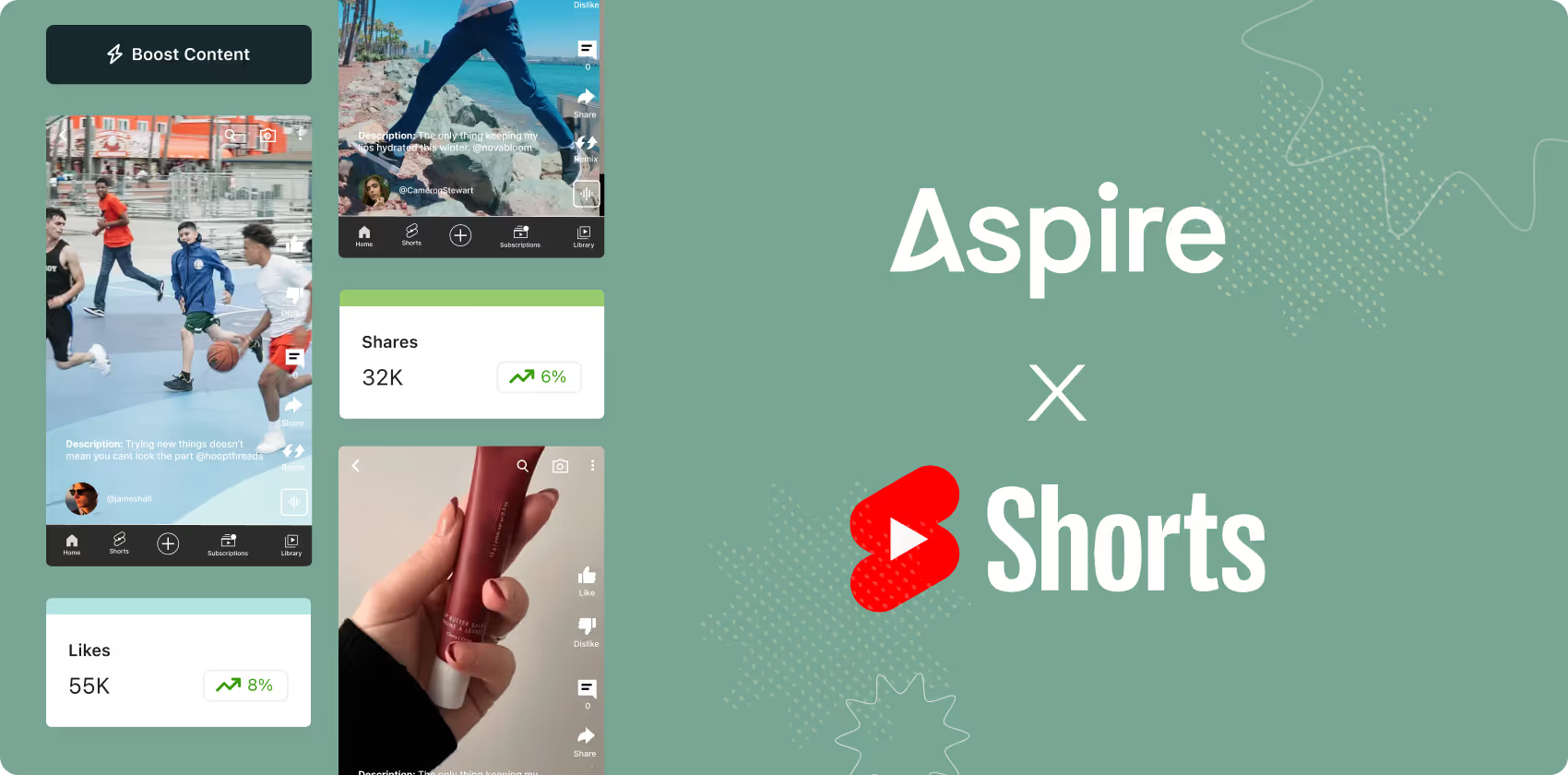
That's where having the right tools makes a real difference. Aspire's YouTube Shorts integration is designed to help brands streamline the entire process:
- Scale content production with pre-built campaign briefs that include due dates, payment terms, and messaging guidelines.

- Streamline content review by approving creator Shorts or requesting edits directly through the Creator Portal.

- Benchmark performance by comparing YouTube Shorts metrics against your other short-form video channels.

- Find the right creators faster using Aspire's Creator Marketplace, Influencer Search Engine, and other discovery tools built for YouTube.
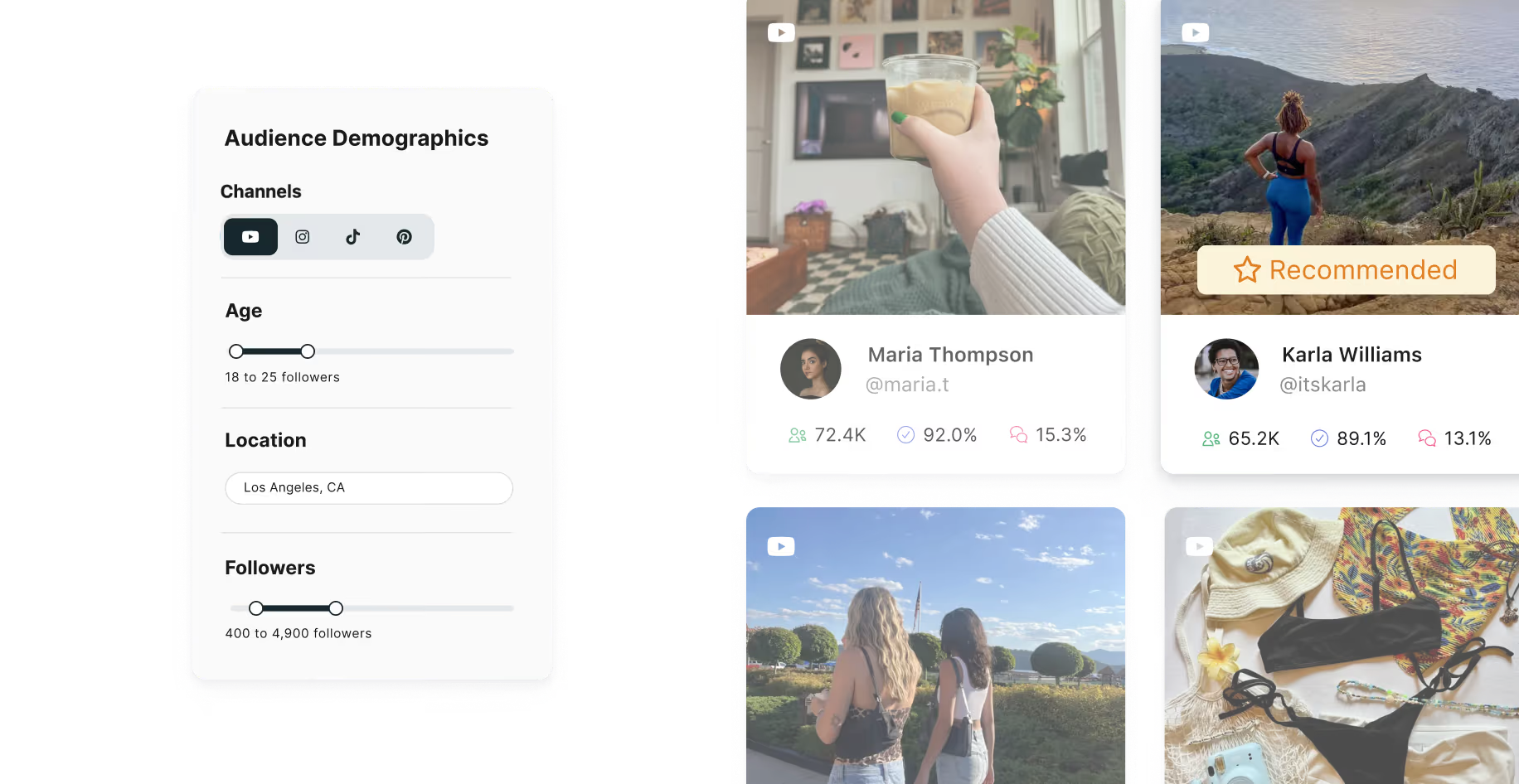
If you're incorporating YouTube Shorts into your influencer marketing strategy, having an integrated workflow to manage it all saves time and gives you clearer performance data to report on.
To learn more about Aspire’s YouTube Shorts integration, get in touch with us.
For more YouTube insights, download The Ultimate Guide to YouTube Influencer Marketing.