How Creators Are Powering the Next Wave of Retail Media

Retail media networks are turning to creators. Learn how brands are using creator content to convert shoppers on Amazon, Walmart, Best Buy, and more.
Two of the fastest-growing corners of advertising are starting to converge. Retail media on its own is on track to hit $71.1 billion in US ad spend in 2026, up 17.8% in a single year and outpacing both social and search. The creator economy is close behind, expected to reach $43.9 billion in US ad spend in 2026, a milestone for how much brands are investing in creators.
Now, the advertising teams inside retailers like Walmart, Best Buy, and Albertsons are increasingly folding creator-led content into the campaigns they sell to brands, and they’re building the infrastructure to back it, using their own sales data to pinpoint which creators to work with and to show brands that those campaigns drive real purchases.
This shift raises the stakes on your creator content. The same UGC that earns discovery on social media can now convert shoppers at the point of purchase, which means these creative assets shouldn’t just stop at the feed.
Here’s how creator content is moving into retail media, and what that means for the way you run your creator program.
Retail media is going creator-native
Retail media is the advertising that brands buy on a retailer's own surfaces, like its website, app, and on-site search results, targeted and measured with the retailer's first-party purchase data. Think Amazon Sponsored Products, Walmart Connect, and the ad units inside TikTok Shop.
Until recently, most performance teams put their retail media dollars into keyword-driven Sponsored Products and banner placements, and little else. But that’s quickly changing.
The dollars are quickly moving toward creators. In fact, 82% of retail media networks are already using creator content, and more than 90% of US marketers said they planned to run creator partnerships through retail media. Walmart, Amazon, Target, Best Buy, and Albertsons are all building a system to put creator videos inside their ad networks.
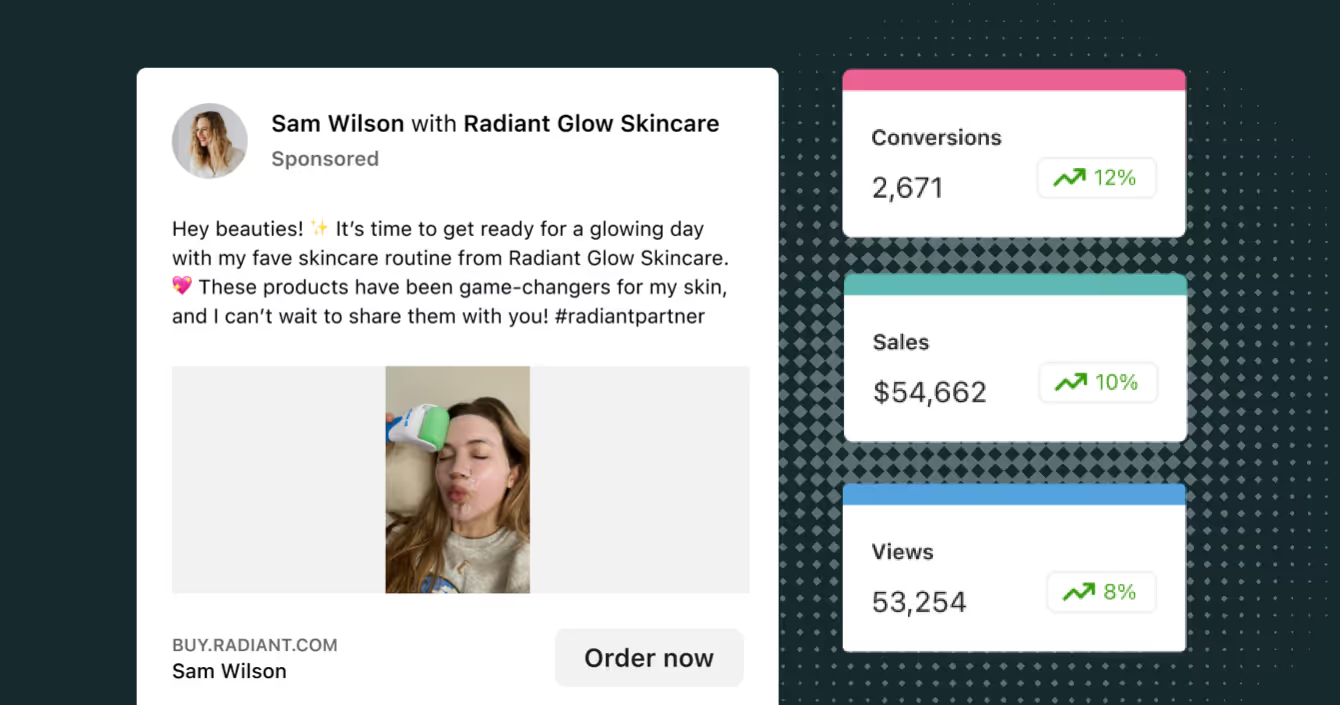
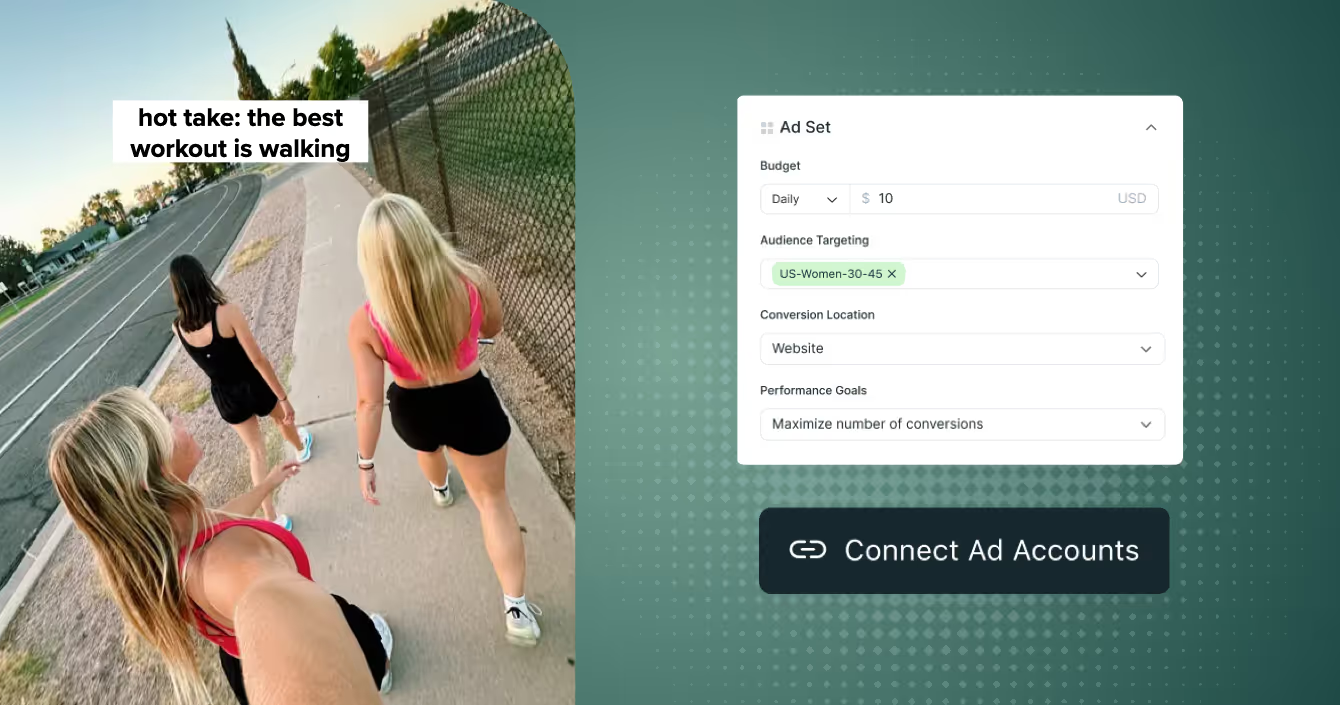
For years, brands have boosted creator content into social feeds through Meta Partnership Ads and TikTok Spark Ads. Now, that same content can run as an ad where people shop (on TikTok Shop, Amazon, and other retail sites), reaching the shopper at the moment they decide to buy.
3 main components are pulling retailers in:
- Measurability: Retailers own the purchase data, so they can tie an ad impression straight to a transaction. This level of reporting is how performance marketers can prove the impact of their work and secure more budget from leadership.
- Performance: Creator-sourced retail media content has driven 3 to 4.5 times higher engagement than traditional branded assets. For instance, Albertsons saw 3x more Instagram and 4x more Facebook engagement than its benchmarks on a single creator-led retail media campaign.
- Targeting: Retailers can pair their first-party purchase data with social signals to find the creators whose audiences fit their ideal customer profile. That takes the guesswork out of casting, so brands invest in the creators the data says will convert.
How does creator-native retail media work?
Under the hood, creator-native retail media runs on a repeatable loop:
- Source: The retailer finds creators, either through its own creator marketplace like Walmart Creator (where influencers earn commissions on affiliate links and storefronts), or by partnering with an influencer marketing platform or agency.
- Create: The creator makes the content, usually a sponsored post or shoppable video, with an affiliate link in many cases.
- Amplify: The retailer boosts that content as paid media through its demand-side platform (DSP), using its first-party purchase data to target the shoppers most likely to buy.
- Measure and reuse: Because the retailer owns both the audience data and the transaction, the sale can be attributed to the creator. And with usage rights secured up front, the same asset gets repurposed beyond the retail campaign onto CTV and other channels.
Examples of creator content in retail media networks
Amazon, Walmart, and Best Buy each show what creator-native retail media looks like in practice.
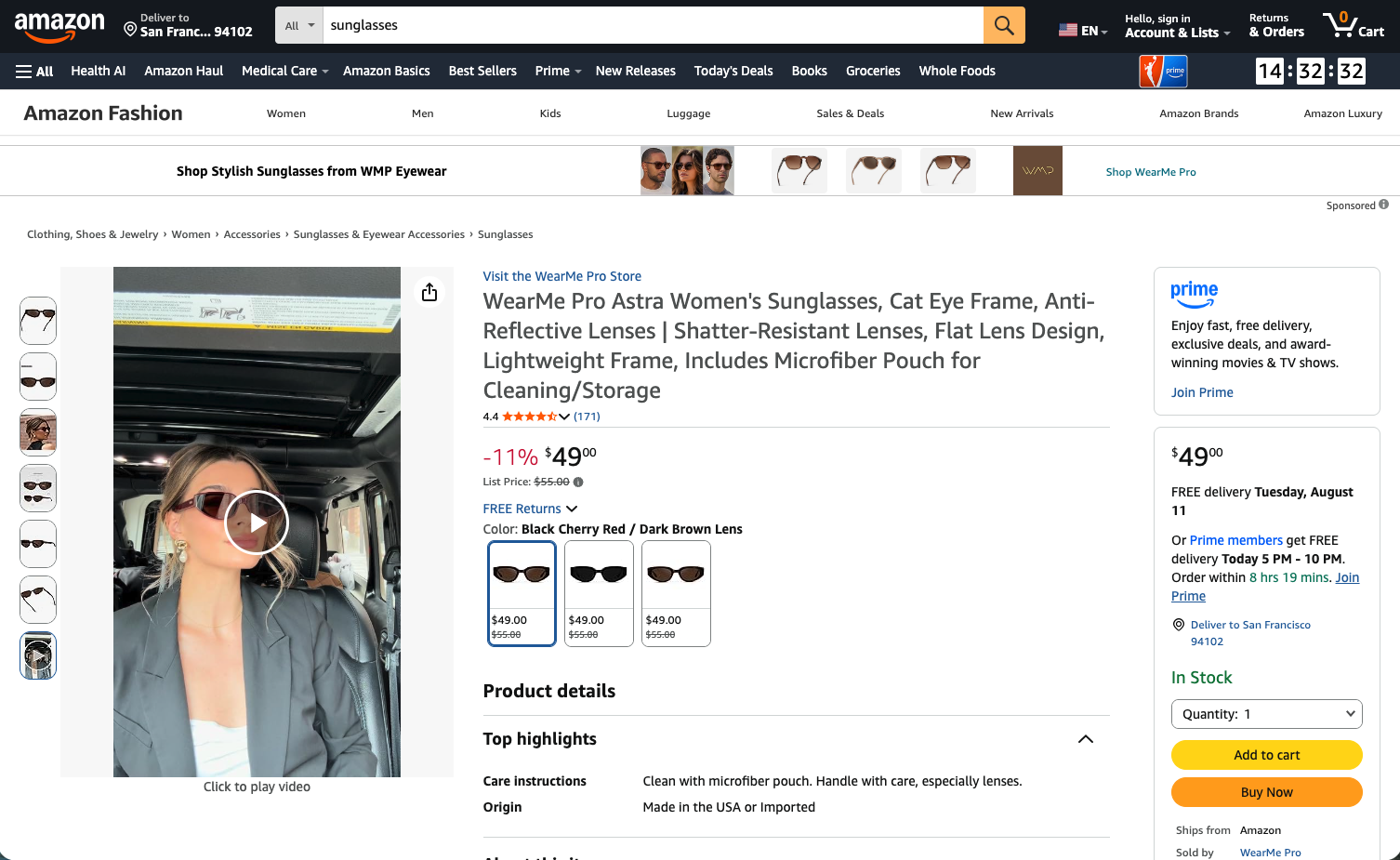
Amazon is the most established surface. Through the Amazon Influencer Program and Creator Connections, creators build shoppable storefronts and reviews tied to Amazon listings and earn commissions on what they sell. Brands can then run that creator video as a Sponsored Brands ad in search results or through Amazon's DSP, all targeted and measured against Amazon's first-party purchase data. To do so, brands need to lock in clean usage terms up front and a single creator asset can run across search, DSP, and CTV.
Walmart is heavily leaning into creators, as well. Through Walmart Creator, its affiliate platform, influencers make shoppable content tied directly to Walmart's catalog and earn commissions on the sales they drive. Walmart Connect then amplifies that content as paid media, using its first-party purchase data to target the shoppers most likely to buy and to confirm the sale, increasingly across its DSP and connected TV inventory. This means creator content becomes a targetable, measurable ad unit rather than a standalone post.
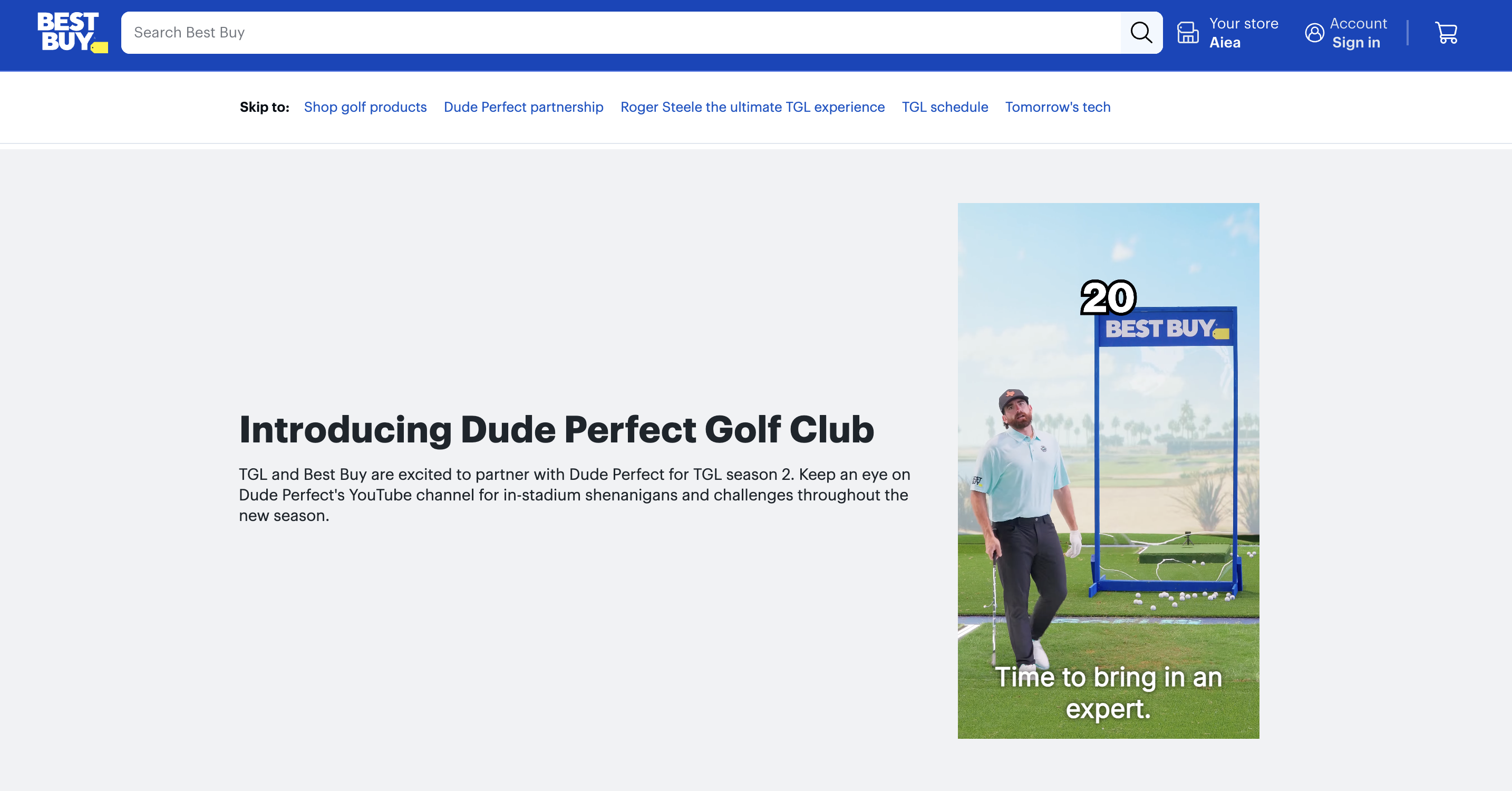
Best Buy’s retail media network, Best Buy Ads, brings creators into campaigns directly, like its year-long partnership with the YouTube group Dude Perfect timed to moments such as the TGL golf league, NFL season, and the holidays. That creator content then runs across Best Buy's network, from its site and app to in-store screens and connected TV, all tied back to Best Buy's shopper data.
What does this shift mean for marketers?
As creator-native retail media takes over, the creative playbook changes. Your best-performing social ad will not automatically be your best-performing retail ad, because shoppers on Amazon or Walmart are typically ready to buy (not just browse).
That means you need a content strategy shift:
- Product-focused: A retail shopper has already decided to buy and is comparing options, so the content needs to lead with the product and get to the value proposition faster than a feed ad would.
- Honest reviews: 59% of US shoppers are most influenced by honest creator reviews that share the pros and cons, not polished endorsements. A candid review is what wins a shopper comparing two products.
- A different brief: Keep the creator's authentic voice, but ask for the product to appear earlier, the benefit to land faster, and a variant aimed at the comparison the buyer is making. Or better yet, ask for raw files so you can edit it for different placements. Don’t just recycle your top social ad.
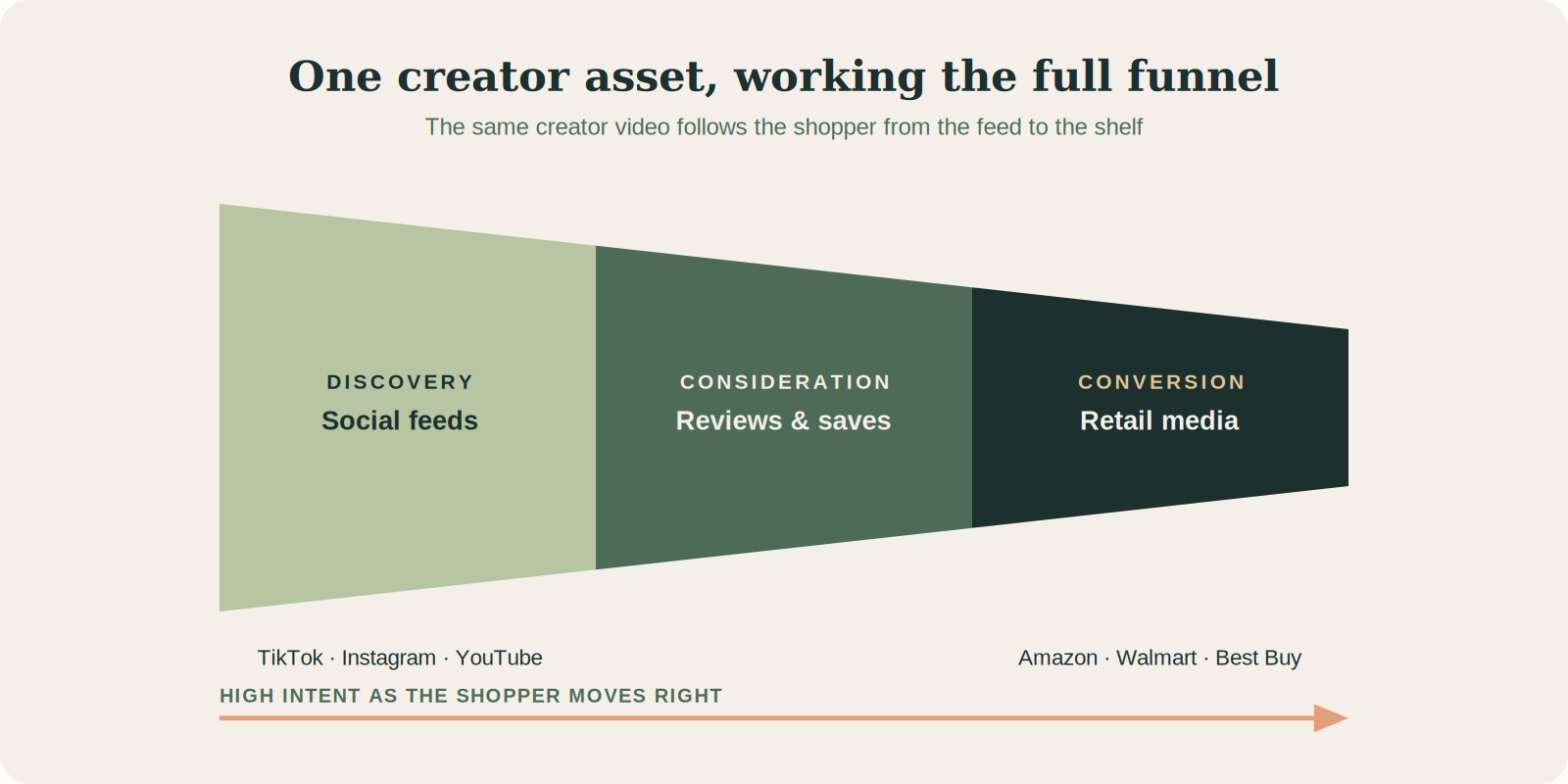
Creator content works hardest when you treat it as one asset that spans the entire funnel, from discovery on the feed to conversion on the shelf. The infrastructure to run it that way is finally here.
Ready to put your creator content to work on the surfaces where shoppers are ready to buy? Book a demo to see how Aspire can help.