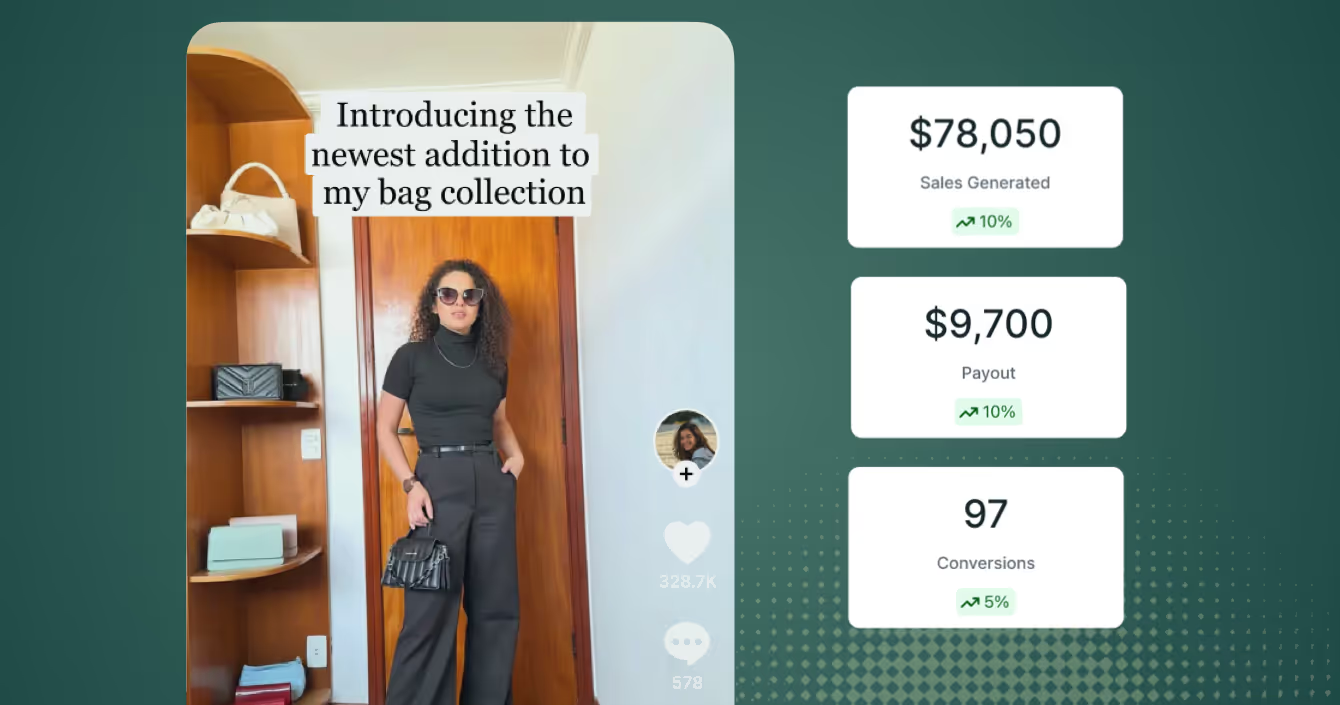
4 Influencer Marketing Strategies That Actually Deliver in 2026

Product seeding, ambassador programs, affiliate, and creator-led paid ads — here's what the data says about which influencer marketing strategies are driving real ROI in 2026.
In 2026, savvy brands are diversifying their creator programs beyond one-off partnerships, matching creators with campaigns tailored to their unique strengths, and building infrastructure that scales.
To understand exactly what’s working, we analyzed Aspire’s internal campaign data and surveyed hundreds of brands and creators. 4 strategies stood out, each serving a different purpose in the funnel:
- Product seeding
- Ambassador programs
- Affiliate marketing
- Creator-led paid ads
Here’s what the data shows, and what it means for marketers in 2026.
1. Product seeding
Product seeding had a breakout year in 2025, accounting for 31% of all campaigns on Aspire (up from 20% the year before).
But this growth isn’t limited to small gifting programs. Many brands running seeding campaigns gifted over $20K in product to more than 100 creators. This level of investment signals growing confidence in product seeding as a reliable driver of content, engagement, and downstream performance.
As seeding programs scale, the strongest results come from brands that stay intentional about who they gift to. Sabrina Cheng-Wingate, Social Media and Influencer Manager at PopSockets, shared that effective product seeding starts with prioritizing creators already engaging with the brand or actively shaping the category conversation.
How to make large-scale gifting programs work:
- Use social listening to identify genuine fans and emerging voices in your space before reaching out.
- Let creators choose their own products from your collection, using a seamless tool like Aspire’s Product Catalogs. When creators pick what resonates with them, their content reflects it.
- Reserve surprise-and-delight moments for your most loyal customers and consistent UGC overperformers. These activations tend to generate a lot of engagement and organic posts.
The common thread in all of these is authenticity. At scale, seeding programs can easily start to feel transactional, and audiences notice. Keeping the experience personal and creator-driven is what protects content quality as volume increases.
2. Ambassador programs
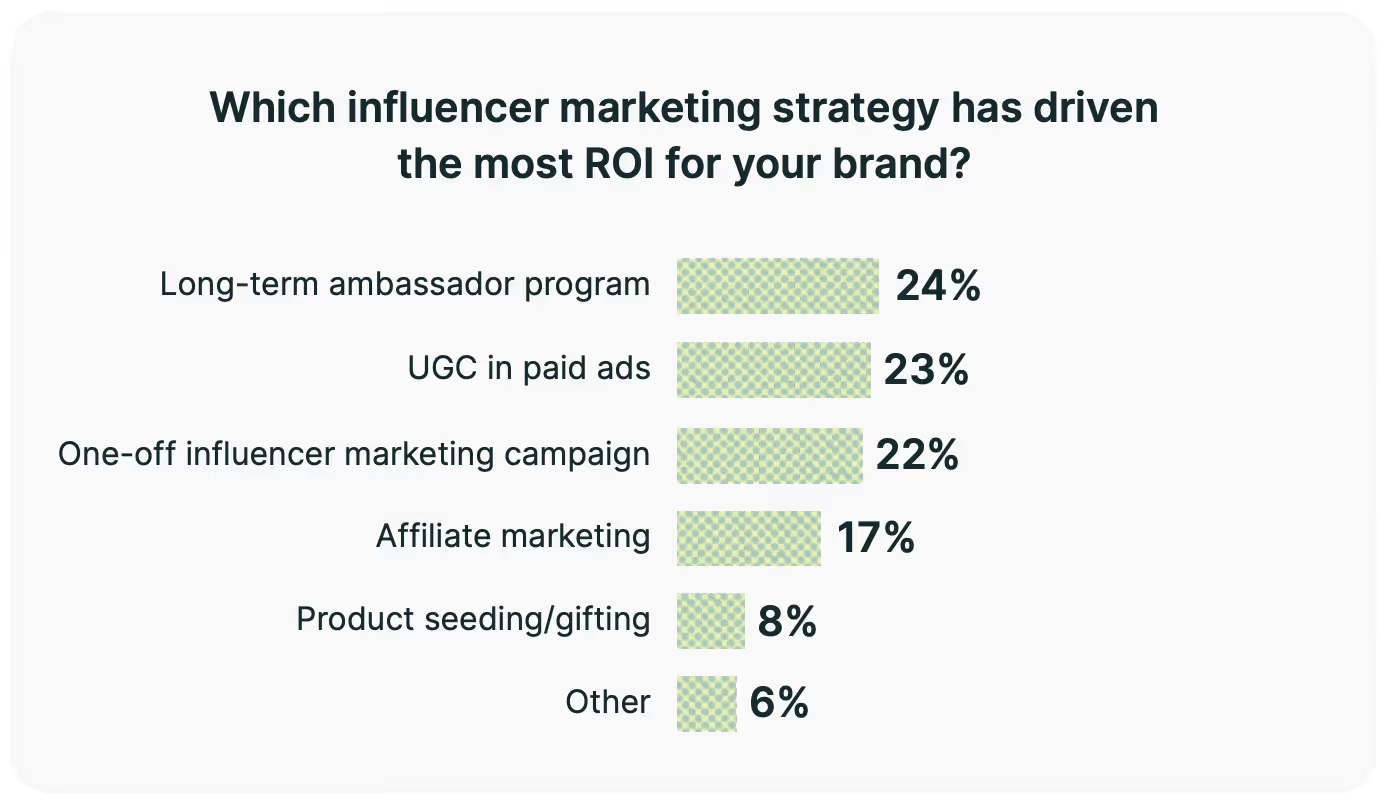
Ambassador programs delivered the highest ROI of any influencer strategy in our survey, underscoring the impact of long-term, relationship-driven creator partnerships.
Long-term ambassadorships let creators naturally weave a product into their everyday life and demonstrate how they actually use it consistently and over time. That kind of repeated, real-world integration is something audiences recognize and respond to. It's the difference between a one-off mention and a creator whose audience has watched them reach for the same product again and again.
For categories like skincare or fitness, this goes even further. Extended partnerships give consumers a front-row seat to genuine before-and-after results, the kind that no single sponsored post can manufacture.
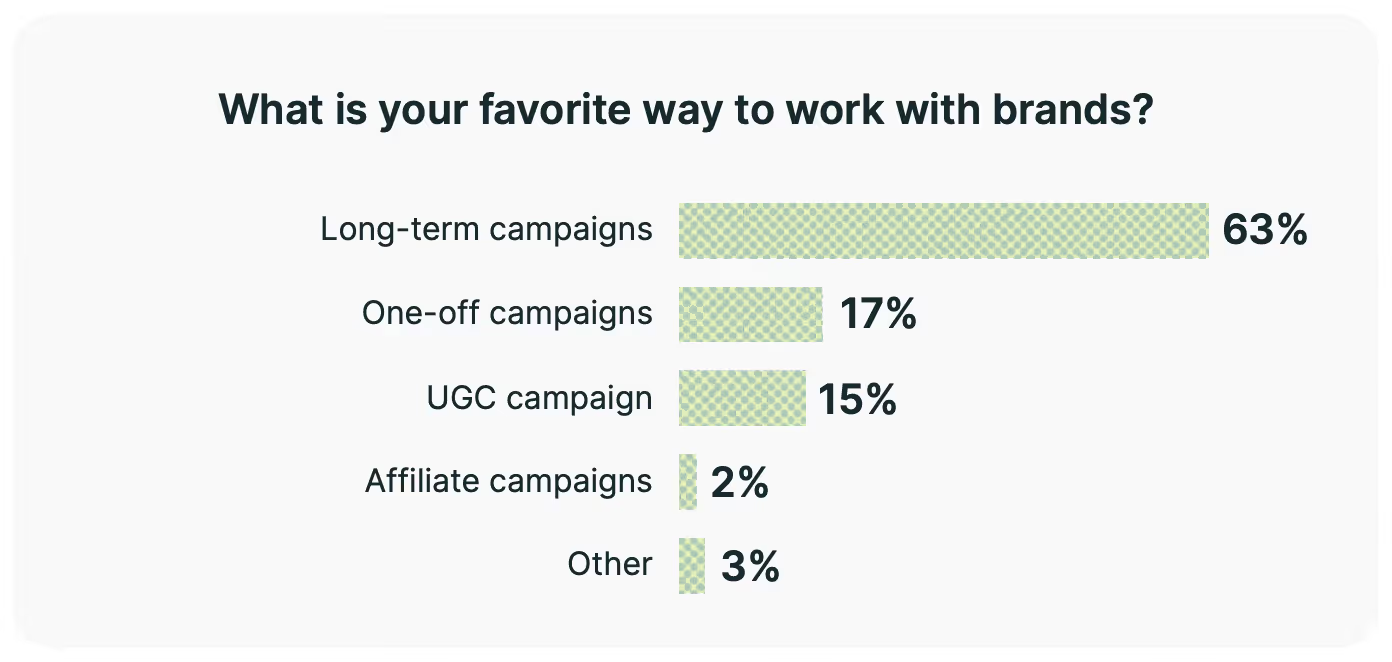
And creators feel the same way about it. 63% of creators say they prefer long-term campaigns over any other type of collaboration.
While ambassador programs may take more upfront investment to set up than one-off campaigns, the compound returns over time (in terms of content quality, audience trust, and ROI) make the lift worth it.
3. Affiliate marketing
Affiliate marketing is also emerging as a top strategy among brands and creators, showcasing a big shift in the influencer marketing space.
An industry once dominated by pay-to-play deals, we’re now seeing a surge in revenue-sharing programs. More brands are sharing their profits with creators, giving them direct financial incentives based on content performance. Brands are also gamifying their affiliate programs to incentivize creators with higher commission rates as they reach higher sales milestones.

Creators are embracing this shift more than ever. In fact, a growing 41% of creators participated in more than 5 affiliate campaigns over the past year, signaling creators’ openness to commission-based partnerships.
Together, creators drove over $52 million in attributed affiliate sales through Aspire in 2025, representing a 45% year-over-year growth. This revenue is directly attributed to the affiliate links and codes created on Aspire, allowing brands to tie influencer spend directly to revenue growth. That kind of clarity is exactly what leadership teams want to see, and exactly what influencer marketers have historically struggled to deliver.
At its core, the affiliate model reframes the creator relationship around shared outcomes. Creators are motivated to drive actual results, and brands finally get the accountability they've been trying to build into influencer programs for years.
4. Creator-led paid ads
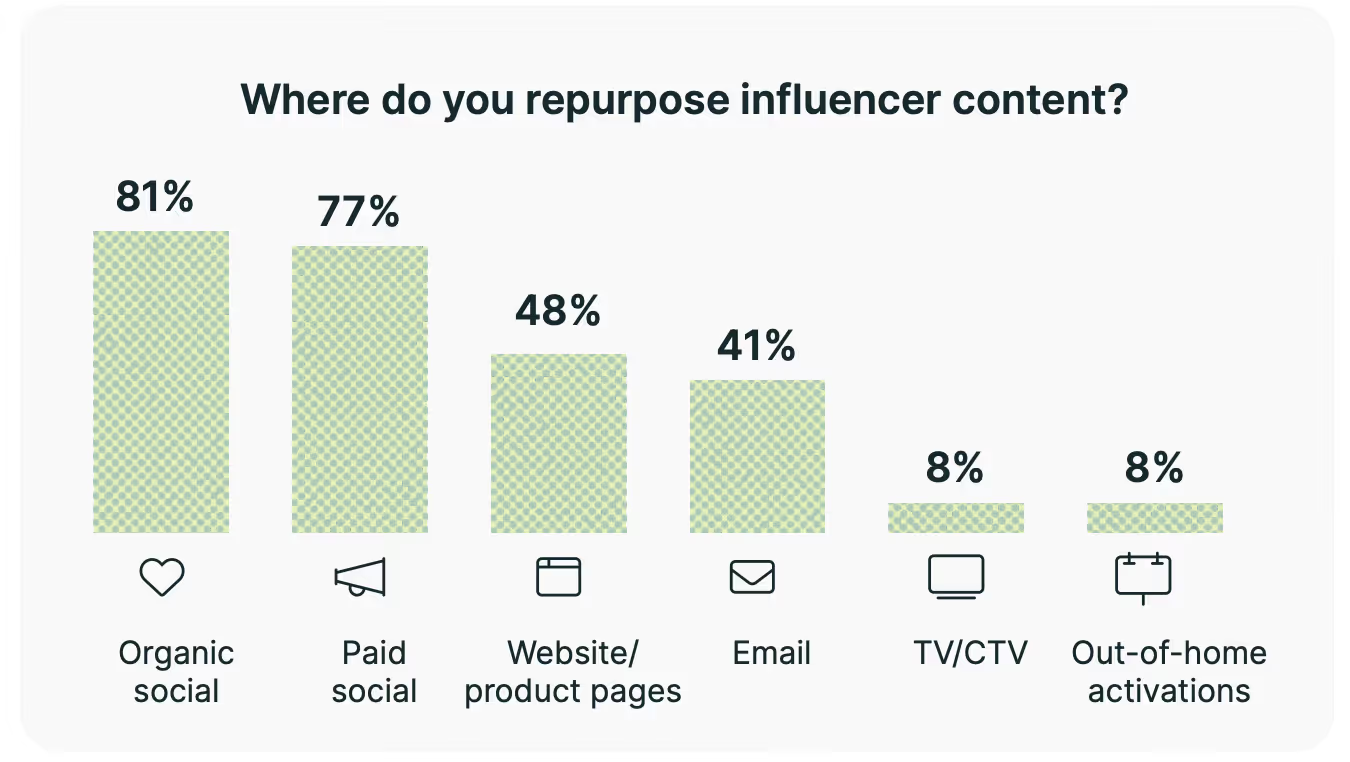
77% of marketers are now actively repurposing creator content in paid social and building it into their paid media strategy as a core creative output.
And this shift is only accelerating in the age of Meta’s Andromeda. As Meta moves toward AI-driven optimization that prioritizes creative volume and diversity over audience segmentation, performance now depends on feeding the algorithm a steady stream of high-quality creative.
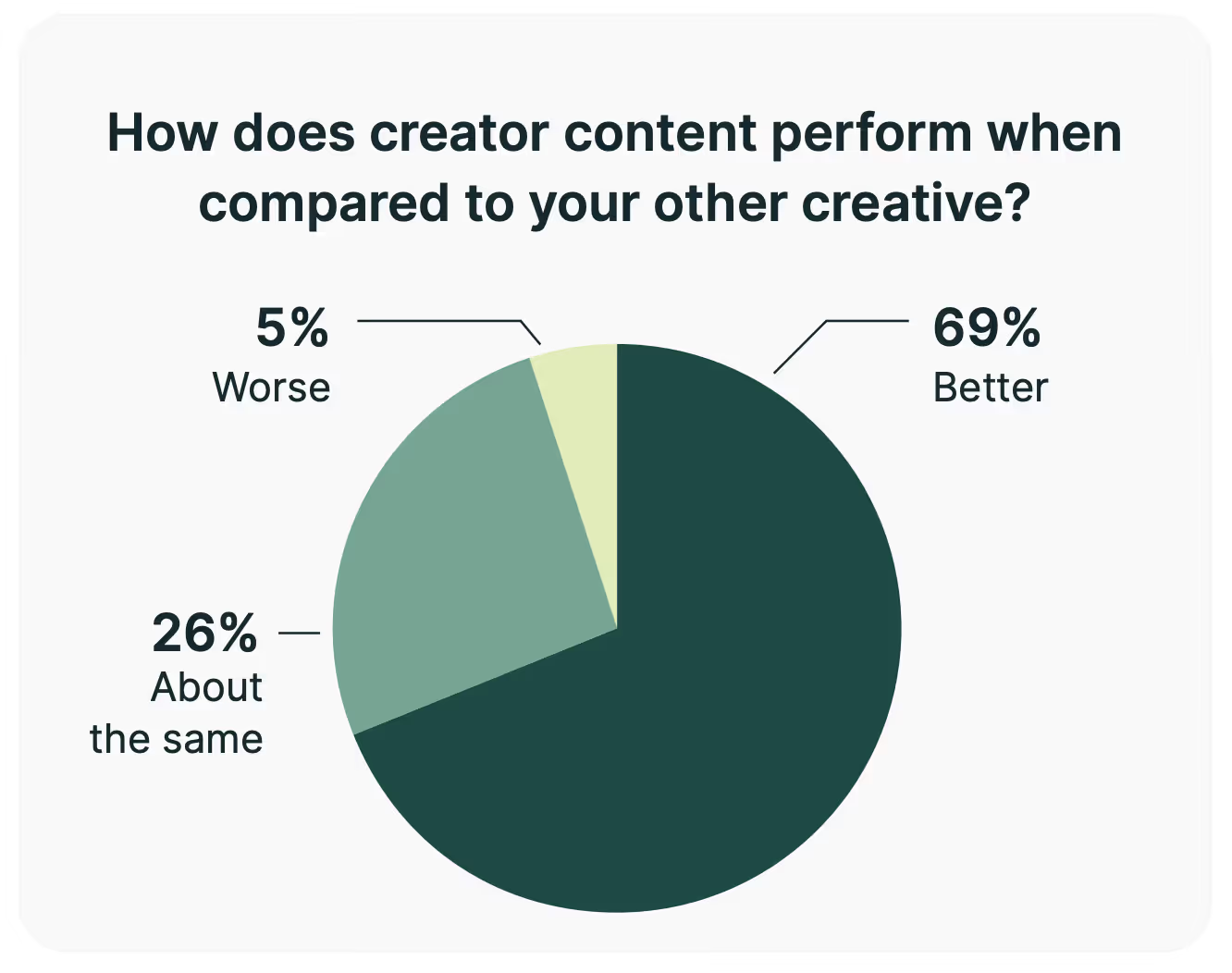
Creator content is built for this. Different voices, formats, tones, and visual styles naturally provide the kind of creative diversity that AI systems reward. Plus, it’s actually what resonates with audiences. In fact, 69% of marketers say influencer-generated content performs better than brand-directed content.
The scale of what’s possible here is significant. Creator content, when properly amplified, can be one of the highest-efficiency inputs in your paid media mix.
Take note from Raechelle Dias, Social Media and Partnerships Lead at Veradek:
“During our off-season campaign, where we need to create demand, influencer content drove 27X ROAS. That’s about 5X the rate of brand content.”
The shift toward creator-led paid ads also reduces the load on internal creative teams. Instead of briefing and producing original ad creative from scratch, brands can source content directly from creators, boost the top performers, and let the algorithm do the optimization work.
The best 2026 influencer marketing strategy
Each of these strategies works on its own, but the brands seeing the highest returns in 2026 are running them in combination.
But don’t worry about running all 4 of these campaigns from day 1. Understand what each strategy does and where it fits in your program:
- Product seeding to fill the top of the funnel with content and community
- Ambassador programs to build the long-term trust that moves audiences toward purchase
- Affiliate programs to tie creator spend directly to revenue
- Creator-led paid ads to scale high-performing content across the full paid media mix
Then, build toward a diversified approach as your infrastructure and budget allow.
Ready to build a creator program that drives real results? Book a demo to see how Aspire can help you scale every strategy covered here.
For more creator economy trends and insights, download our full report, The State of Influencer Marketing 2026.


